

Engineers at the University of Rochester have developed a new way to make ordinary metal tubes effectively unsinkable by creating superhydrophobic interior surfaces that trap a stable pocket of air, keeping them afloat even when submerged or heavily damaged. The work represents a step toward resilient maritime structures, from ships to floating platforms and renewable energy devices.
The team led by Professor Chunlei Guo etched the interior of aluminum tubes to build microscopic and nanoscale pits that repel water. When placed in water, this treated surface captures and holds a layer of air inside the tube, preventing water from filling it and allowing the structure to float indefinitely. This mechanism is inspired by natural examples such as diving bell spiders and floating fire ants, which also use trapped air and water repellence to remain buoyant.
A key innovation is a divider installed mid-tube that helps maintain the trapped air even if the tube is pushed vertically underwater. Tests showed that the tubes retain buoyancy in rough conditions and keep floating even when riddled with holes, marking a significant improvement over previous designs that could lose buoyancy at extreme angles.
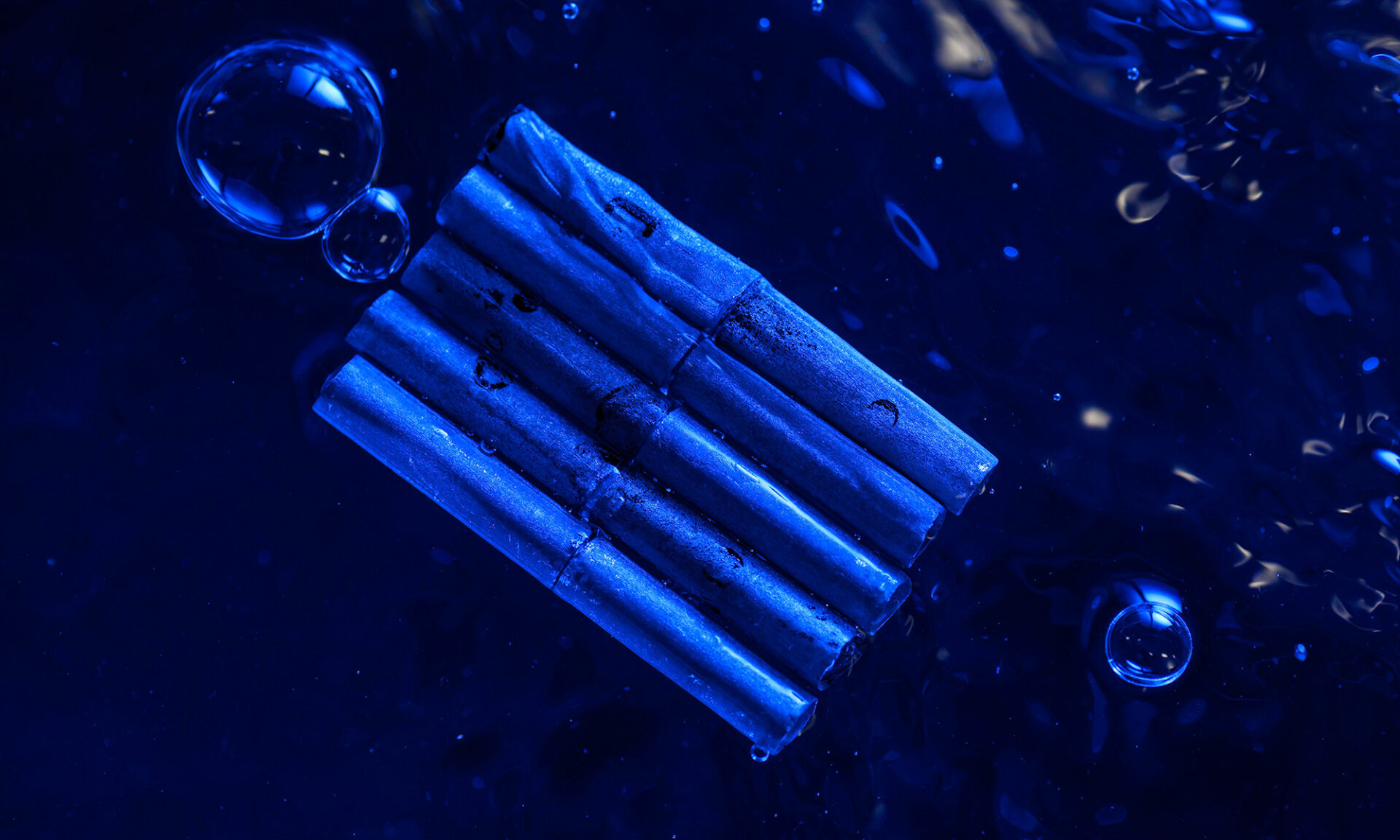
Beyond individual tubes, researchers showed that linked arrays can form rafts. These bundles of superhydrophobic tubes could lead to load-bearing floating platforms, potential replacements for conventional hull designs, and marine infrastructure that is more damage-tolerant than today’s materials. Laboratory tests used tubes up to half a meter long, and the team believes the design can scale to larger dimensions required for real-world applications.
The work also suggests a renewable energy application: rafts of these tubes could be configured to harvest wave energy and generate electricity. While practical deployment will require further development, this research points to an unexpected route for improving the durability and utility of floating structures without relying solely on buoyant compartments or backups.
