

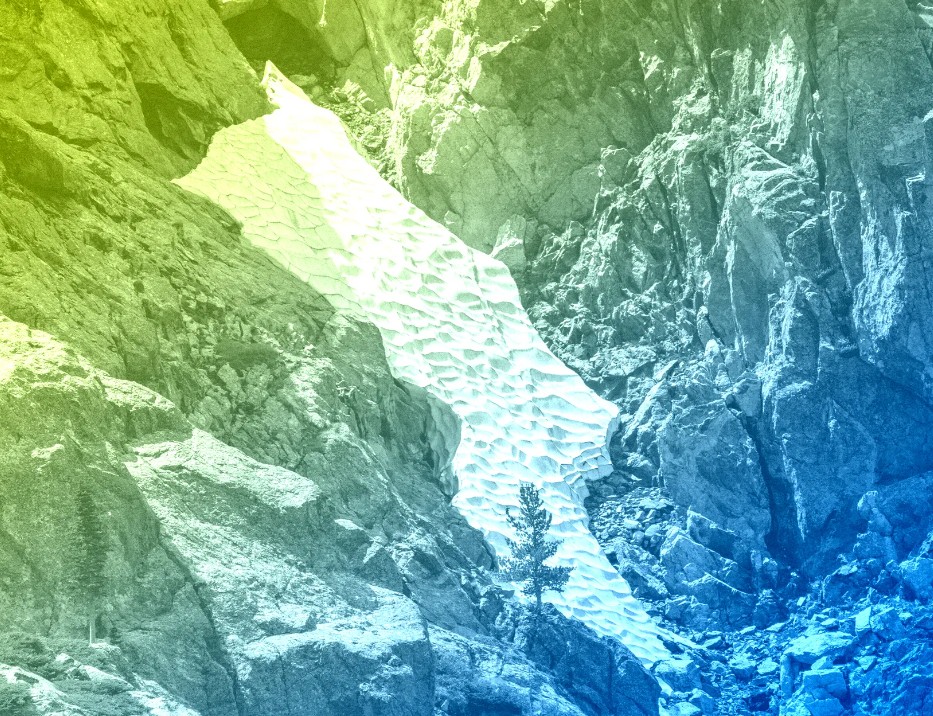
For the 2026 Winter Olympics in Milan and Cortina d’Ampezzo, snowfall, a defining image of the games, is now far from guaranteed. A Wired.com analysis shows that climate change has already reduced natural snow reliability at mid-latitude sites where many Olympic skiing and snowboarding events are held. Historically, the Winter Games took place in locations with sufficiently cold winters and dependable snow cover. But rising temperatures have shifted that baseline. Past host cities near the edge of reliable snow are warming fast, and projections for the 2030s and 2040s show even fewer future candidates that meet the criteria without artificial support.
Milan-Cortina illustrates this reality. Cortina’s elevation gives it more natural snow than nearby valleys, yet even there, conditions can vary dramatically from year to year. Forecast models suggest that without snowmaking infrastructure, the 2026 competitions could see bare patches or marginal cover on critical slopes. Organizers have already invested heavily in snow production systems that harvest and preserve snow from colder periods and groom it into usable runs. These systems enable events to proceed even when natural snowfall falls short, but they are expensive and energy-intensive.
Beyond logistics, the reliance on artificial snow raises broader environmental questions. Making and moving snow requires significant water and electricity, often in regions already facing seasonal shortages. Critics argue that building long-term infrastructure around snowmaking locks winter sports into practices at odds with climate resilience goals. At the same time, leaving events vulnerable to weather variability could undermine fairness and safety.
The broader pattern emerging from climate data suggests that future Winter Games may migrate to higher elevations or more polar regions where cold, snowy winters remain the norm. That shift would fundamentally change the geographic and cultural character of the Olympics. The 2026 games, with their blend of natural and manufactured snow, may be a transitional moment, a sign that winter sports must adapt to a warming planet.
