

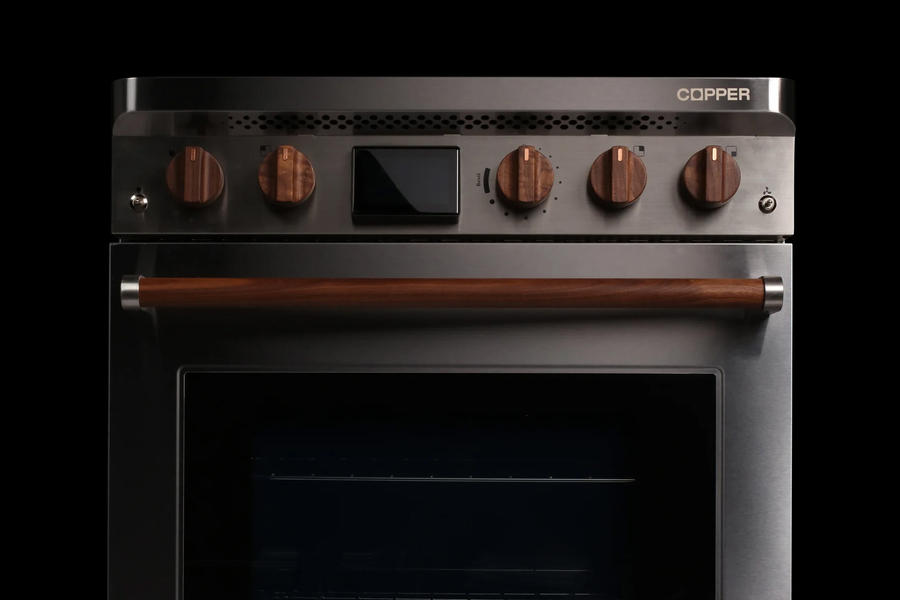
This report from MIT News covers how Copper’s battery-equipped induction kitchen range simplifies the transition from gas appliances to electric. Traditionally, replacing a gas stove meant wiring upgrades, changing electrical panels, or extensive remodeling. Copper’s range plugs into a standard 120-volt outlet and incorporates a lithium-iron phosphate battery that charges during off-peak periods and powers the stove during cooking.
The company has shipped roughly 1,000 units to date, including installations in multi-unit apartment complexes and a deal with the New York City Housing Authority for at least 10,000 units. By embedding a battery into the appliance, the solution also offers grid value: the battery can dispatch power to the grid when needed, flattening peaks and supporting renewable integration.
From an engineering and design viewpoint, the range signals more than just another induction stove. It brings electrification within reach of older buildings, apartments, and renters, i.e., spaces where rewiring often proves prohibitively expensive. It also ties the appliance into energy-system design: by making each stove a dispatchable asset, developers and utilities can rethink electrification strategies. The startup notes that battery costs have fallen around 97% since the early 1990s, enabling this application.
However, challenges remain. The upfront cost of a battery-equipped appliance is higher than a standard range; widespread adoption will depend on scaling, subsidies, and grid-integration frameworks. For designers and engineers working in building systems and HVAC, the key takeaway is that appliance-level electrification, powered by embedded storage, can remove major retrofit barriers. In sum, this development moves electric transitions from “tear-out and rewire” to “unplug and replace,” accelerating low-carbon HVAC, kitchen, and building infrastructure.
