

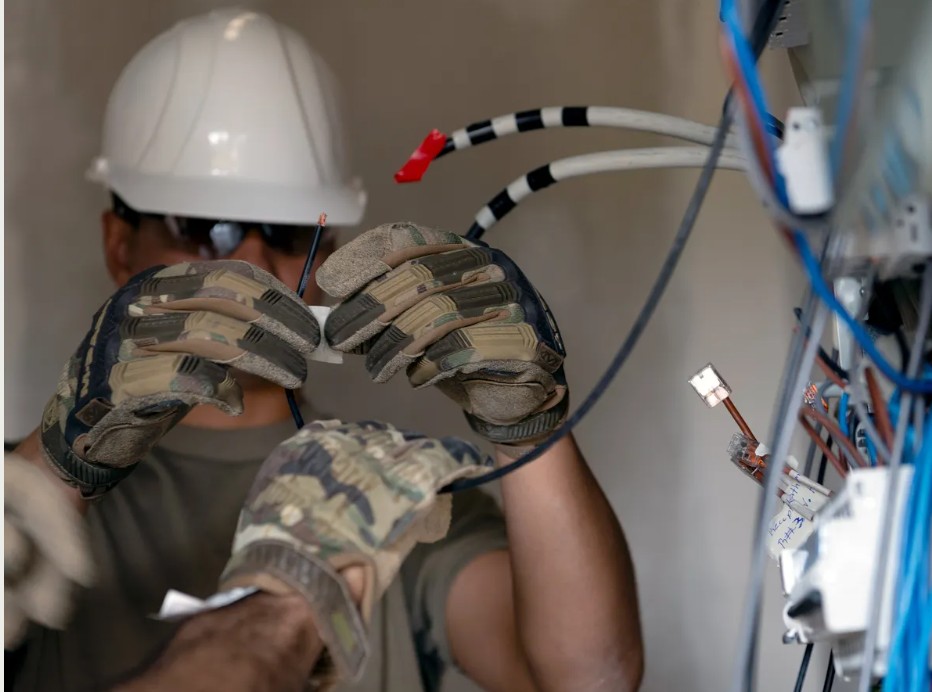
As electricity demand surges with the growth of renewables, data centers, and electrification, the power sector faces a looming talent crisis. This IEEE Spectrum article highlights a critical gap: utilities and grid operators simply don’t have enough engineers to design, maintain, and upgrade vital infrastructure.
According to a joint study by Kearney and IEEE, by 2030, the industry will need an additional 450,000 to 1.5 million engineers globally to support the energy transition. Already, 40% of power executives report difficulty in hiring qualified personnel, citing a mismatch of skills and fierce competition.
The shortfall has multiple causes. Many veteran engineers are reaching retirement, and few young professionals are choosing power engineering. The allure of high-growth fields like AI and software pulls talent away. The job itself is also challenging: issues such as grid outages, extreme weather stress, and the pace of change contribute to burnout and turnover, nearly half of power engineers have changed roles recently.
Smaller firms feel the pinch acutely. They struggle to compete with large companies that offer better pay or more career paths, and losing a key team member can delay entire projects. Licensing and certification requirements further slow hiring. In many places, becoming a licensed engineer requires complex exams and years of experience, barriers that disproportionately affect those balancing family or nontraditional paths.
To adapt, some utilities and firms are turning inward. They hire interns and cultivate talent from the ground up, aiming to retain up to 90% of interns as full-time engineers. They also use technology, i.e., augmented reality, digital twins, and generative AI, to help fewer engineers do more. Upskilling programs and partnerships with universities are growing, too.
The clock is ticking. The article warns that if the workforce gap endures, clean energy projects, grid modernization, and reliability upgrades may slip. The reality: engineering talent might become the biggest bottleneck in achieving a resilient, decarbonized power grid.
