

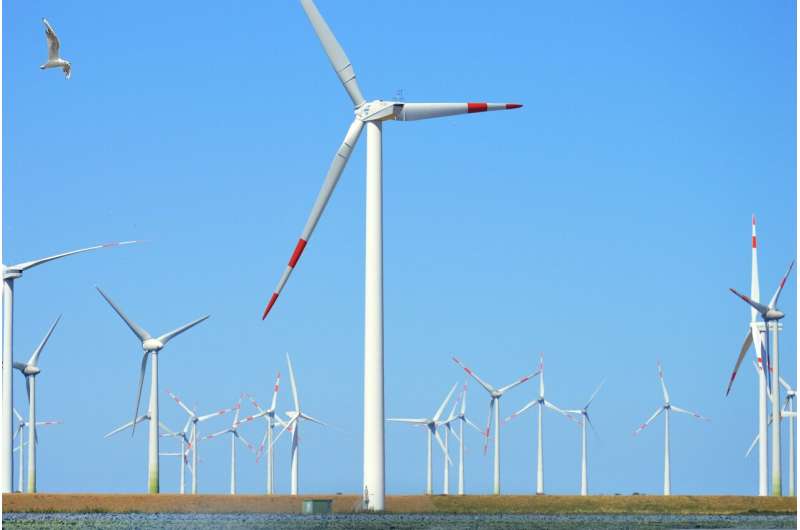
Research shows that solar and wind power have already become cheaper than coal and natural gas for utility-scale electricity, and they carry fewer health risks. In 2024, global generation from renewables avoided about US $467 billion in fuel costs. More than 90% of new electricity capacity added worldwide in 2024 came from renewables, and by year-end, renewables made up about 46% of installed electricity capacity, tells Tech Xplore.
On the health side, fossil fuels generate fine particles and toxic gases linked to an estimated 5 million deaths annually. Indoor use of natural gas, for example, in stoves, is tied to childhood asthma and benzene exposure at levels comparable to second-hand smoke. Moving buildings, vehicles, and appliances to clean electricity decreases pollution while also tackling climate risks such as heat stress and disease spread.
Yet despite the economic and public-health case for renewables, deployment remains slow. Major obstacles include regulatory delays, political inertia, and high financing costs, especially in developing countries. In the United States, for example, permitting large energy projects takes on average 4.5 years, and transmission-line approvals can stretch for a decade or more.
The article argues that bridging the gap will require stronger international cooperation, faster approvals, targeted investment, and better governance of energy systems. Only then can the full advantages of cheaper, healthier energy reach all regions.
