

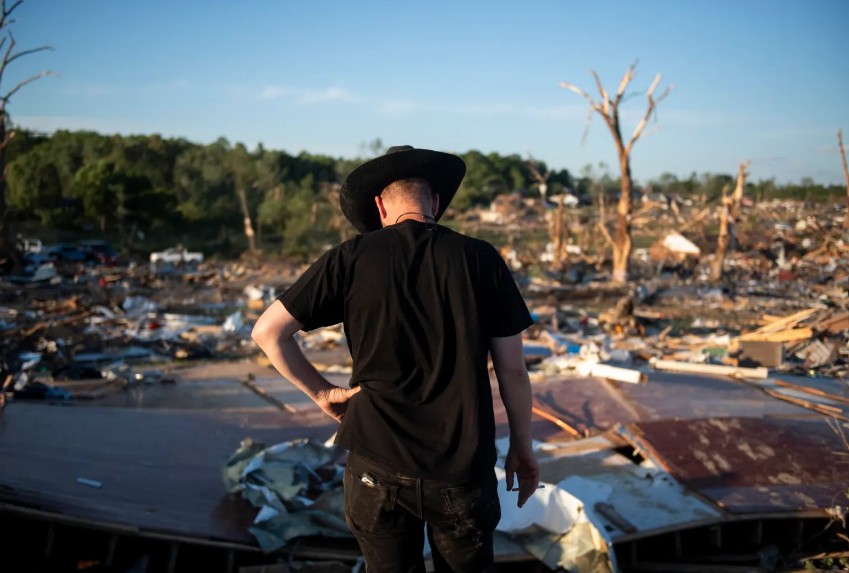
A recent article by Marshall Shepherd in Forbes challenges a familiar phrase: “natural disasters.” He argues that labeling events such as hurricanes and tornadoes as purely natural obscures the critical role human systems play in turning hazards into catastrophes.
The central distinction is between a hazard and a disaster. Weather phenomena such as hurricanes, floods, or tornadoes are natural processes of the Earth system. However, they become disasters only when they intersect with human vulnerability, infrastructure, and decision-making. In other words, the storm itself is natural, but the scale of damage often reflects where and how people live.
Shepherd emphasizes that factors such as urban planning, building codes, socioeconomic inequality, and risk communication heavily influence outcomes. Communities built in floodplains, coastal zones, or wildfire-prone regions are inherently more exposed. When preparedness is weak or infrastructure is inadequate, even moderate events can lead to severe consequences.
The article also highlights how the phrase “natural disaster” can unintentionally shift accountability away from human responsibility. By framing impacts as unavoidable acts of nature, it downplays opportunities for mitigation, adaptation, and policy reform. Shepherd argues that language matters because it shapes public perception and policy priorities.
Climate change further complicates the picture. While extreme weather events have always occurred, human-driven warming is amplifying their intensity and altering their frequency in some cases. This reinforces the idea that disasters are increasingly shaped by human influence, both directly through emissions and indirectly through development choices.
Ultimately, the article calls for a shift in thinking. Instead of viewing disasters as inevitable natural events, society should recognize them as the result of interactions between environmental forces and human systems. This perspective encourages proactive measures, from smarter land use to stronger infrastructure, and fosters accountability in reducing future risk.
