

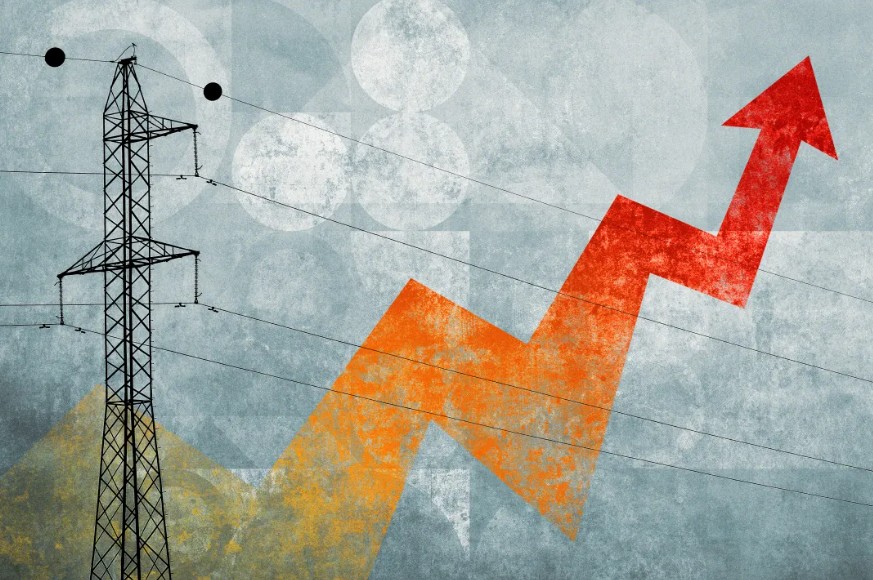
Residential electricity prices in the U.S. have increased by more than 30% on average since 2020, and have climbed at nearly twice the rate of inflation. That means not just higher monthly bills, but pressure on households, businesses, and entire sectors of the economy, tells this article on Vox.com.
A number of factors drive this trend. Rising demand, especially as more devices and systems use electricity, meets supply constraints. Fuel prices remain volatile. Inflation and tariffs add cost. Infrastructure issues, such as slow transmission-line construction and delays adding new generation capacity, further limit supply.
Lower-income and moderate-income households are affected hardest because they spend a higher proportion of their income on energy. Some utilities are already asking for large rate hikes, and power shut-offs are increasingly reported. Politically, this rise in power bills is gaining visibility. Former President Donald Trump had pledged to cut energy prices, but instead has shifted blame to renewables, even though renewables are among the cheapest sources of new generation.
Despite the surge in electricity costs, overall household “energy wallet” spending (which includes electricity, gasoline, gas for heating, etc.) has remained fairly steady because major fuels such as gasoline and heating gas have held or fallen in cost. But the key takeaway: the days of falling or flat electricity prices are likely over in the near term. Analysts expect year-after-year increases.
Looking ahead, the article suggests that progress in electrification (such as heat pumps, induction stovetops, electric vehicles) plus efficiency gains offer hope for lower long-term energy cost shares. But the transition will require policy action, investment in grid upgrades, and new generation (especially storage and solar).
Households are facing higher electricity bills now, the upward trend isn’t likely to reverse quickly, and while there’s hope in technology and efficiency, the work required is substantial.
