

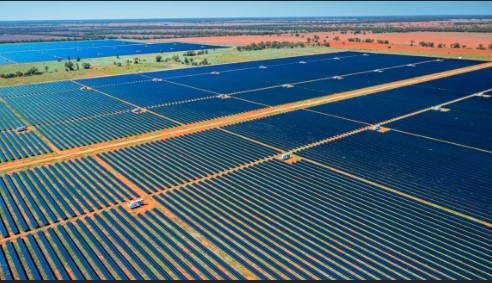
Solar energy has entered a new phase of global dominance, with recent data showing the fastest growth ever recorded for any energy source. The surge reflects not just incremental progress but a structural shift in how electricity is generated and consumed worldwide, tells Ars Technica.
According to the International Energy Agency, solar power added roughly 600 terawatt-hours of generation in a single year, the largest increase ever observed outside of post-crisis rebounds. This expansion alone accounted for a substantial share of rising global energy demand, underscoring solar’s central role in meeting new consumption needs.
In total, solar generated more than 2,700 terawatt-hours globally, more than doubling its output compared to just a few years earlier. It now contributes over 8% of the world’s electricity supply, a remarkable climb for a technology that was once considered niche.
What makes this growth particularly significant is its geographic breadth. Solar expansion is no longer concentrated in a handful of regions. While China remains the largest contributor, major increases are also occurring in the United States, India, and the Middle East, signaling a truly global transition.
The rise of solar is also reshaping broader energy trends. Electricity demand continues to grow rapidly, driven by electric vehicles, data centers, and electrification across industries. Solar has emerged as the leading contributor to meeting this demand, outpacing fossil fuels and other renewable sources.
At the same time, the expansion highlights new challenges. Integrating large volumes of intermittent solar power requires upgrades to grid infrastructure and increased deployment of energy storage. Without these supporting systems, the full potential of solar cannot be realized.
The broader implication is clear: solar energy is no longer an alternative; it is becoming a primary driver of the global energy system. Its rapid growth reflects falling costs, policy support, and technological improvements, all converging to accelerate adoption.
This moment marks a turning point. The scale and speed of solar’s expansion suggest that the transition to a more electrified, low-carbon energy system is not a distant goal but an ongoing transformation already reshaping the global economy.
