

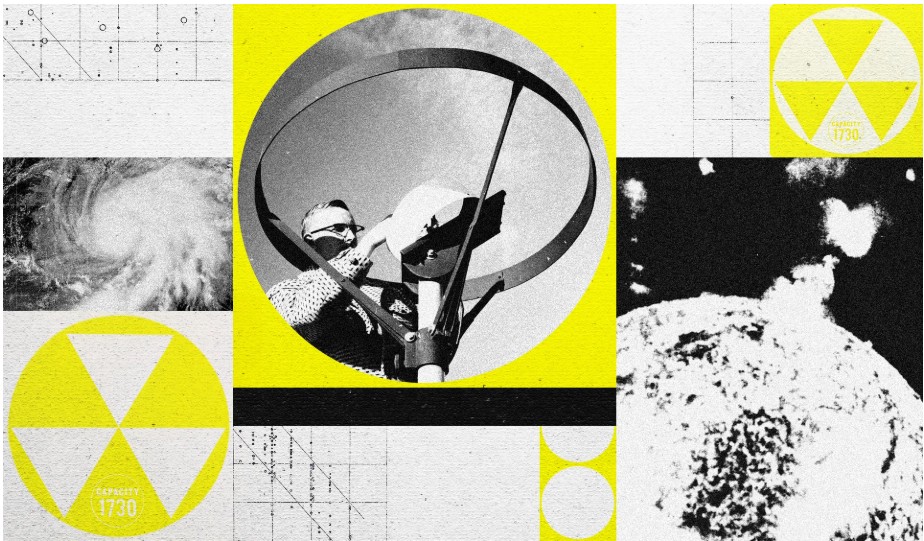
Radiation detection systems are operating quietly across cities, ports, hospitals, and borders, forming an unseen layer of security most people never notice. As Wired.com reports, these systems continuously scan for radioactive materials, helping governments, emergency responders, and public agencies detect threats and accidents early, often without human intervention.
Many of these detectors were deployed after the September 11 attacks, when governments expanded efforts to prevent nuclear smuggling and terrorism. Radiation sensors are now embedded in cargo ports, border crossings, subways, and major transportation hubs. They monitor for unusual gamma rays or neutrons that could indicate illicit nuclear material. When something abnormal is detected, alerts are triggered automatically, allowing authorities to investigate before a situation escalates.
Radiation monitoring is not limited to security. Hospitals rely on similar systems to track radioactive isotopes used in cancer treatment and medical imaging. Research labs, power plants, and waste storage facilities also use continuous monitoring to ensure radiation stays within safe limits. Even consumer products and industrial materials can set off detectors, since small amounts of naturally occurring radioactive substances are common in ceramics, fertilizers, and some metals.
Advances in sensors, networking, and data processing have made these systems more reliable and widespread. Modern detectors are smaller, cheaper, and more sensitive than earlier generations. Many are linked to centralized databases that help analysts distinguish between harmless sources and genuine risks, reducing false alarms. Artificial intelligence is increasingly used to interpret radiation signatures and patterns over time.
Despite their reach, these systems raise challenges. Maintaining them is expensive, and false positives can strain emergency resources. There are also concerns about transparency, since much of the infrastructure operates out of public view. Still, experts argue the benefits outweigh the drawbacks, especially as geopolitical tensions and nuclear risks persist.
The key takeaway is that radiation surveillance is no longer rare or exceptional. It has become part of the background infrastructure of modern life, quietly protecting public health, supporting medical care, and guarding against some of the most serious hazards society faces, all without demanding attention unless something goes wrong.
