

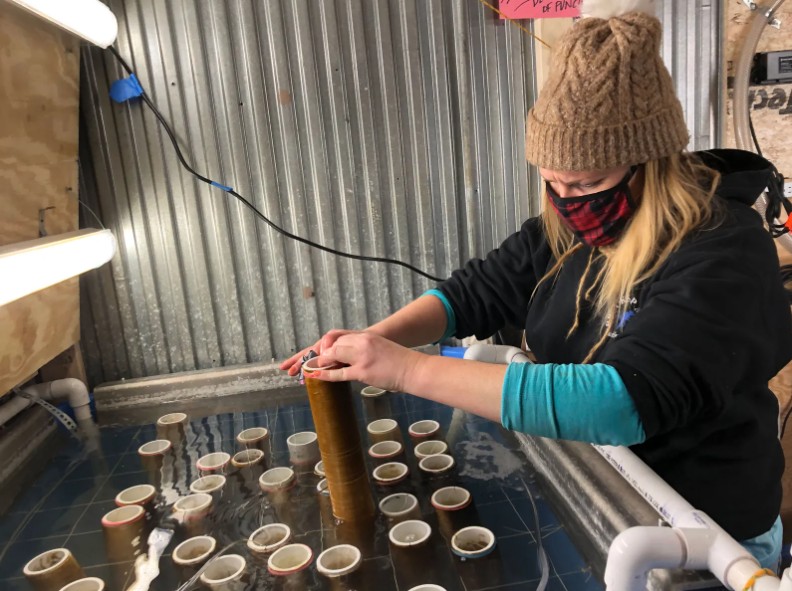
A few years ago, ocean-based carbon removal was pitched as one of the most promising tools for fighting climate change. Among the most visible efforts was a startup that aimed to store carbon by dropping engineered materials into the ocean, allowing natural processes to absorb CO₂ and lock it away at depth, tells Wired.com. Backed by venture capital, high-profile partners, and advance purchase agreements from tech companies, the project was widely seen as a bold step toward scalable carbon removal.
That optimism has since evaporated. The company at the center of the effort quietly shut down after failing to demonstrate that its approach actually removed carbon in a measurable, verifiable way. The idea relied on releasing thousands of floating “carbon capture” units into the ocean, which were supposed to absorb carbon and then sink, taking that carbon with them. In practice, tracking what happened after deployment proved far harder than expected. Many units disappeared without reliable data on whether they sank, degraded, or removed any meaningful amount of CO₂.
The collapse exposed a core challenge facing the entire carbon removal industry: measurement and verification. Buyers want proof that carbon is truly removed and stored for long periods. In the open ocean, collecting that proof is technically complex, expensive, and often impossible with today’s tools. Without hard data, carbon credits lose credibility, regardless of how elegant the underlying theory sounds.
The failure also highlighted tensions between speed and scientific rigor. Pressure to scale quickly, attract funding, and sell credits pushed experimentation ahead of validation. Regulators and scientists raised concerns about ecological risks and the lack of long-term monitoring, adding to skepticism around ocean interventions.
Carbon removal remains a critical part of many climate models, but this episode serves as a cautionary tale. Novel approaches may be necessary, yet without transparent data, robust verification, and slower, evidence-driven scaling, even the most exciting climate ideas can sink without leaving a trace.
