

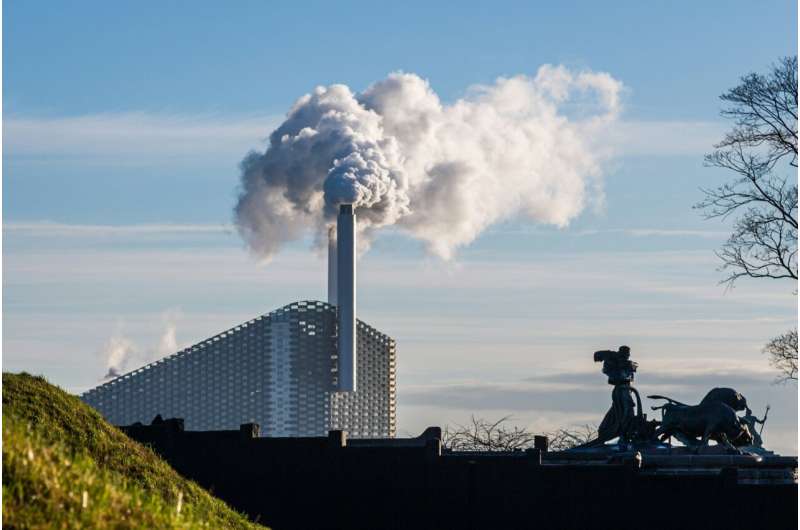
Cities generate vast amounts of carbon emissions through essential systems like waste incineration and wastewater treatment. Instead of treating these emissions as unavoidable byproducts, new research is exploring ways to convert them into valuable consumer materials, reshaping the relationship between urban infrastructure and manufacturing, tells Tech Xplore.
The article centers on an EU-backed initiative that captures carbon dioxide from urban waste streams and converts it into formic acid, a versatile chemical used in a range of everyday products. This approach reframes emissions as a resource rather than a liability, offering a pathway to reduce dependence on fossil-based raw materials while lowering the environmental footprint of consumer goods.
Formic acid plays a key role because of its flexibility. It can be used in cleaning agents, industrial processes, and even leather production, meaning captured carbon could eventually appear in household products or fashion items. By integrating this process into existing urban systems, researchers aim to create a circular production loop where waste emissions are continuously reused instead of being released into the atmosphere.
The initiative, known as WaterProof, focuses on developing electrochemical methods that can efficiently convert CO₂ into usable compounds. This is particularly important because some emission sources are difficult to eliminate entirely, even with renewable energy and efficiency improvements. Rather than attempting to remove these emissions completely, the project seeks to keep carbon in circulation within the economy.
Beyond consumer products, the process may also support broader sustainability goals. Researchers are exploring whether formic acid-based solutions can help recover valuable metals from waste streams, linking carbon reuse with resource recovery and recycling.
The broader implication is a shift toward urban industrial ecosystems where waste, energy, and manufacturing are interconnected. Instead of linear systems that produce and discard, cities could evolve into hubs of continuous material reuse. This model does not eliminate emissions entirely, but it reduces their impact while creating economic value, pointing toward a more circular and resilient urban economy.
