

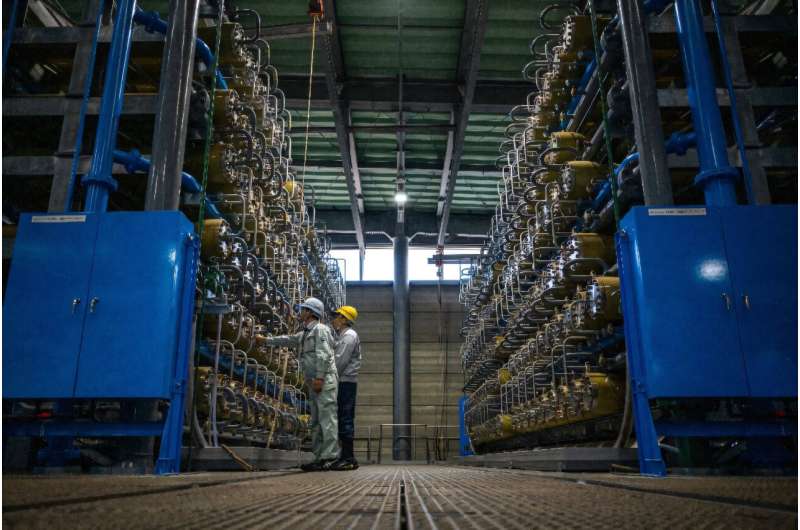
A new energy project in Japan is demonstrating the potential of osmotic power as a viable renewable energy source by converting wastewater and seawater into electricity. The system, developed in the city of Fukuoka, uses the natural process of osmosis, where water moves across a semi-permeable membrane from a less salty solution to a more concentrated one, to generate pressure that drives a turbine, tells Tech Xplore.
The facility is only the second osmotic power plant in the world, highlighting both the novelty and the experimental nature of the technology. It operates by combining treated sewage water with highly concentrated brine produced as a byproduct of desalination. As water flows toward the saltier solution, it increases pressure on that side, spinning a turbine connected to a generator.
Fukuoka offers a particularly suitable environment for this approach. The region has long relied on desalination due to limited freshwater sources, producing large quantities of concentrated saline waste. Instead of disposing of this brine, engineers have found a way to turn it into an energy resource, effectively linking water treatment and power generation into a single system.
Despite its promise, osmotic power still faces significant hurdles. The technology depends heavily on specialized membranes, which must balance durability, efficiency, and cost. Current systems also generate relatively modest amounts of electricity, and operational costs remain higher than those of conventional energy sources.
Even so, the approach offers a key advantage over solar and wind energy: it is not dependent on weather conditions. This makes osmotic power a potentially stable, continuous energy source, especially in regions with access to both freshwater and seawater or desalination infrastructure.
Engineers involved in the project are already looking to scale up the technology, with plans to build larger facilities in the future. If efficiency improves and costs decline, osmotic power could become a valuable addition to the global renewable energy mix, particularly in water-stressed regions that already rely on desalination.
