

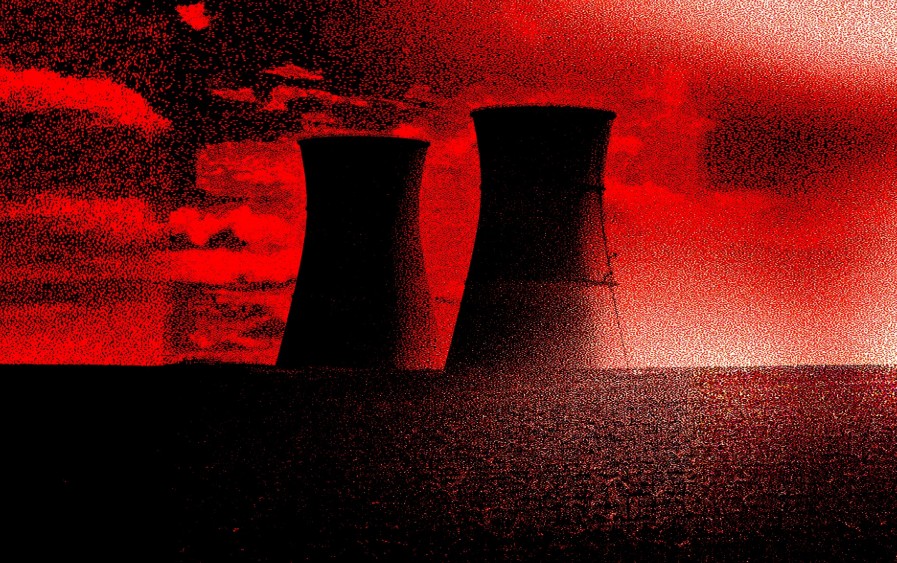
Military strikes on nuclear facilities carry consequences that extend far beyond immediate damage, raising complex risks for public health, infrastructure, and regional stability. The Wired.com article examines what could unfold if the United States targets Iran’s nuclear sites, drawing attention to the fragile balance between containment and catastrophe.
Modern nuclear facilities are designed with multiple layers of safety systems. Reactors and enrichment sites typically include automatic shutdown mechanisms, reinforced containment structures, and backup cooling systems intended to prevent radiation release even during emergencies. Early reports from recent strikes suggest that these safeguards can be effective, as no major radiation leaks have been detected so far.
However, the real danger emerges if critical systems are compromised. Damage to cooling infrastructure or containment units can lead to overheating, hydrogen buildup, and potential explosions, echoing past nuclear disasters. In such scenarios, radioactive materials could be released into the air, soil, and water, creating long-term environmental and health consequences.
Geography amplifies the risk. Many of Iran’s nuclear sites are located near densely populated regions or environmentally sensitive zones. In the Persian Gulf, the threat becomes even more severe due to reliance on desalinated seawater. Contamination of shared marine resources could disrupt water supplies for millions across multiple countries, turning a localized strike into a regional crisis.
The article also highlights operational challenges. Some facilities are deeply buried or heavily fortified, making them difficult to destroy completely. Partial damage may leave hazardous materials exposed without eliminating the underlying nuclear capability, complicating both military objectives and safety outcomes.
International oversight bodies such as the International Atomic Energy Agency play a crucial role in monitoring these situations, verifying safety conditions, and coordinating responses if contamination occurs. Their involvement becomes critical in managing both technical fallout and global communication.
Ultimately, the analysis underscores a central tension. While strikes may aim to delay nuclear development, they also introduce unpredictable risks that can spread across borders. The outcome depends not only on military precision but on whether complex safety systems continue to hold under extreme conditions.
