Seven AI-Powered CAD Tools Transforming Engineering Workflows in 2026
Artificial intelligence is becoming increasingly specialized in mechanical engineering, moving beyond general-purpose language models toward tools that understand CAD geometry, design constraints, and engineering workflows. This Leo AI article examines seven AI-powered CAD solutions and their applications in product development.
Leo AI uses a Large Mechanical Model (LMM) to interpret boundary representation (B-rep) geometry, identify similar components, and retrieve engineering knowledge from product data management (PDM) and product lifecycle management (PLM) systems. Its capabilities help engineers reuse existing designs and avoid unnecessary component duplication.
Autodesk Generative Design, available in Fusion, generates optimized geometries based on specified loads, materials, and manufacturing constraints. It is particularly useful for lightweight components and additive manufacturing applications.
SolidWorks AURA, integrated into the 3DEXPERIENCE platform, assists users with CAD commands, modeling constraints, and repetitive design operations.
CoLab AutoReview automates engineering design reviews by examining CAD models and drawings, identifying manufacturability issues, and checking compliance with established standards.
Siemens NX AI recognizes modeling patterns, anticipates design operations, and automates rule enforcement. Its integration with Siemens’ broader engineering ecosystem supports organizations using NX and Teamcenter.
PTC Creo Generative Design Extension performs cloud-based design optimization and returns editable B-rep geometry to Creo, supporting parametric modeling and manufacturing workflows.
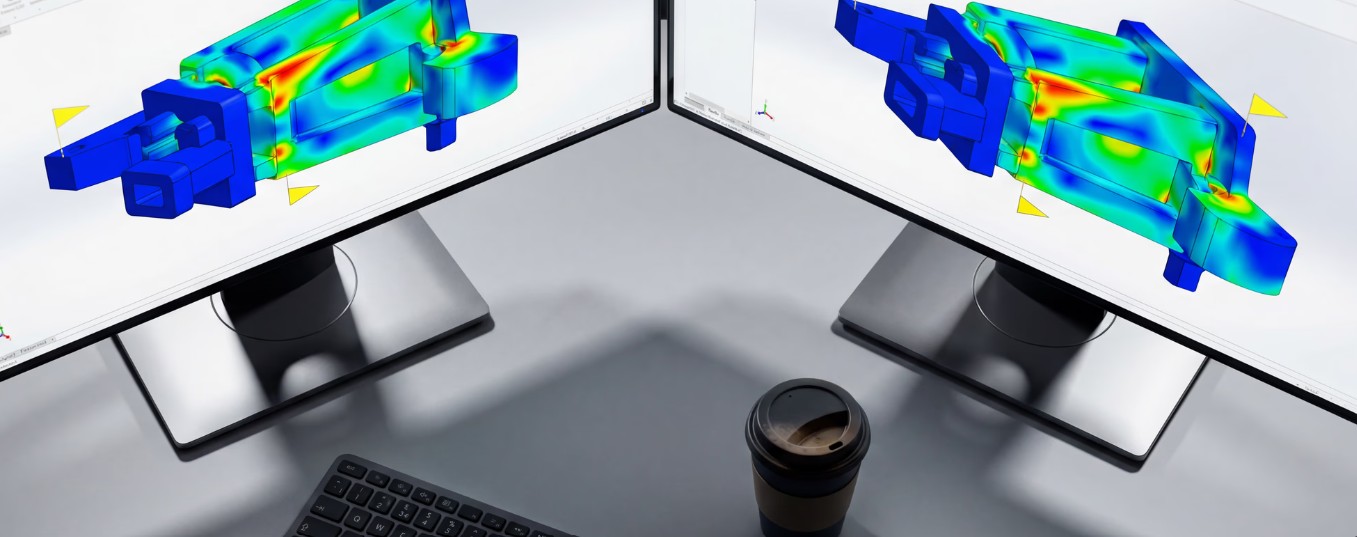
Ansys Discovery provides real-time simulation feedback on structural stress, fluid flow, and thermal performance, allowing engineers to identify potential problems during early design stages.
The article emphasizes that no single AI tool addresses every engineering requirement. Organizations should evaluate solutions based on their ability to process native CAD data, provide traceable information, and protect intellectual property.
It also recommends testing AI tools on specific workflows before wider deployment. Combining complementary technologies can improve component reuse, accelerate design reviews, and reduce costly engineering changes.
Ultimately, successful AI adoption depends on engineering-specific capabilities, reliable data, and human verification rather than automation alone.