STMicroelectronics Launch STM32H7P MCUs With AI, DSP Acceleration
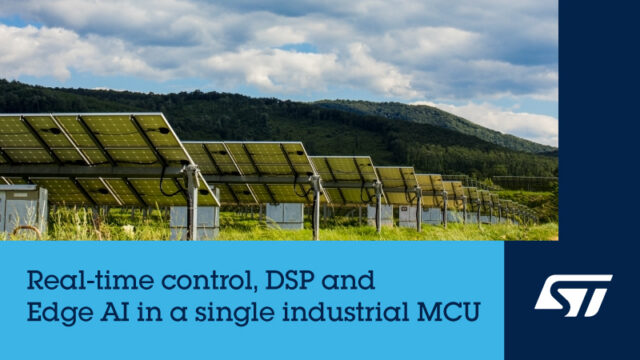
Image: STMicroelectronics

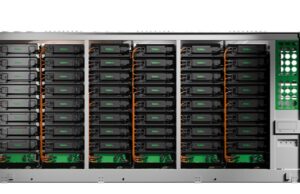
GENEVA, Switzerland, Nov 6, 2026 – STMicroelectronics (ST) has introduced the STM32H7P microcontrollers, combining a 520 MHz Arm Cortex-M7 processor with hardware accelerators for digital signal processing (DSP) and edge AI. The devices are designed for digital power systems, motor control, condition monitoring and industrial applications that require real-time processing.

The architecture integrates ST’s Hardware Signal Processor (HSP) and Neural-ART Neural Processing Unit (NPU) alongside the Cortex-M7 core, which delivers a CoreMark score of 2,773.

The HSP accelerates matrix, vector and digital signal processing operations, reducing the workload on the main processor and potentially reducing the need for a external DSP. According to STMicroelectronics, it performs Fast Fourier Transforms (FFTs) up to five times faster than software running on the Cortex-M7.

“The STM32H7P extends the proven STM32H7 series, with two dedicated hardware accelerators alongside a 520MHz Cortex-M7 core that deliver 1.7-times the performance of alternative products on the market. Combining more real-time performance with advanced hardware acceleration for DSP and edge-AI these MCUs let engineers build the next generation of smart, responsive embedded systems across industrial, power electronics, sensing, and intelligent edge applications,” said Laurent Vera, STM32 marketing director, STMicroelectronics. “In addition, richer analog and timer capabilities, and strong cost efficiency are ideal for power electronics applications such as solar, digital power, and motor control.”

AI Acceleration and Real-Time Control

The Neural-ART NPU provides up to 85 giga operations per second (GOPS) for embedded AI workloads.

ST reported the following performance improvements in AI applications:

  • Solar inverter safety: Inference ran 40 times faster than software when using ST’s AI Arc Fault Circuit Interrupter (AFCI) model.
  • Anomaly detection: The model demonstrated a 20-fold increase in execution speed.
  • Battery management: An AI battery-management system (BMS) model ran 15 times faster.

The STM32H7P also features tightly coupled memories (TCM), providing access to instructions and data for control, signal processing and AI inference. The series offers up to 2 MB of flash memory for code and data storage.

For control applications, the microcontrollers incorporate analog-to-digital converters (ADCs), digital-to-analog converters (DACs), comparators and timers inherited from the STM32G5 mixed-signal series. These peripherals support applications involving power electronics, solar energy systems and motor control.

Development Tools and Availability

Developers can use ST Edge AI Suite for machine-learning model development and deployment, along with DSP software resources and the X-CUBE-MCSDK-2 motor-control software tools.

The STM32H7P series will also support the upgraded STM32Cube ecosystem, including the STM32CubeMX2 configurator and HAL2 hardware abstraction layer. The STM32H7P series is currently sampling to original equipment manufacturers (OEMs), with production planned for January 2027.

Designed for industrial environments, the microcontrollers operate at ambient temperatures up to 125°C and are covered by ST’s industrial support program. An exposed-pad low-profile quad flat package (LQFP) option provides additional heat dissipation for high-temperature applications.

The NUCLEO-H7P5II evaluation board and STM32H7P5IDK discovery kit are also scheduled for availability in January 2027.

Source: STMicroelectronics

About STMicroelectronics

STMicroelectronics (ST) is a semiconductor company founded in 1987. It designs and manufactures microcontrollers, sensors, power devices and other analog and mixed-signal components. The company operates as an integrated device manufacturer with in-house production that supports large-volume supply for global markets. Its customers include automotive, industrial, consumer electronics and communications equipment manufacturers. ST also works with technology partners to develop components used in mobility systems, energy and power management equipment and connected devices. The company reports ongoing efforts to reduce emissions across its operations and increase the share of renewable electricity in its manufacturing sites, with a goal to reach full renewable sourcing by 2027. ST is headquartered in Geneva, Switzerland. It serves more than 200,000 customers worldwide and employs about 50,000 people. Its technologies support applications that require efficient power conversion, sensing, processing and connectivity. The company expands its portfolio to support automotive, industrial, consumer and connected system applications through integrated design and manufacturing.
AI-Generated Engineering Drawings Risk Repeating Human Mistakes

Source: Develop 3D.
Source: Develop 3D.


Artificial intelligence promises to transform engineering design by automating CAD modeling, drawing generation, and repetitive tasks. However, its effectiveness depends heavily on the quality of the engineering knowledge and data used to train it.

This Develop3D opinion article questions whether AI can reliably generate engineering drawings when existing human-created drawings frequently contain errors, inconsistencies, and unclear design intent.

The discussion emerged during an advanced manufacturing conference, where panelists acknowledged that AI-assisted CAD workflows remain largely unexplored within their organizations. When questioned about automated drawing generation, one participant admitted that the technology was not yet ready.

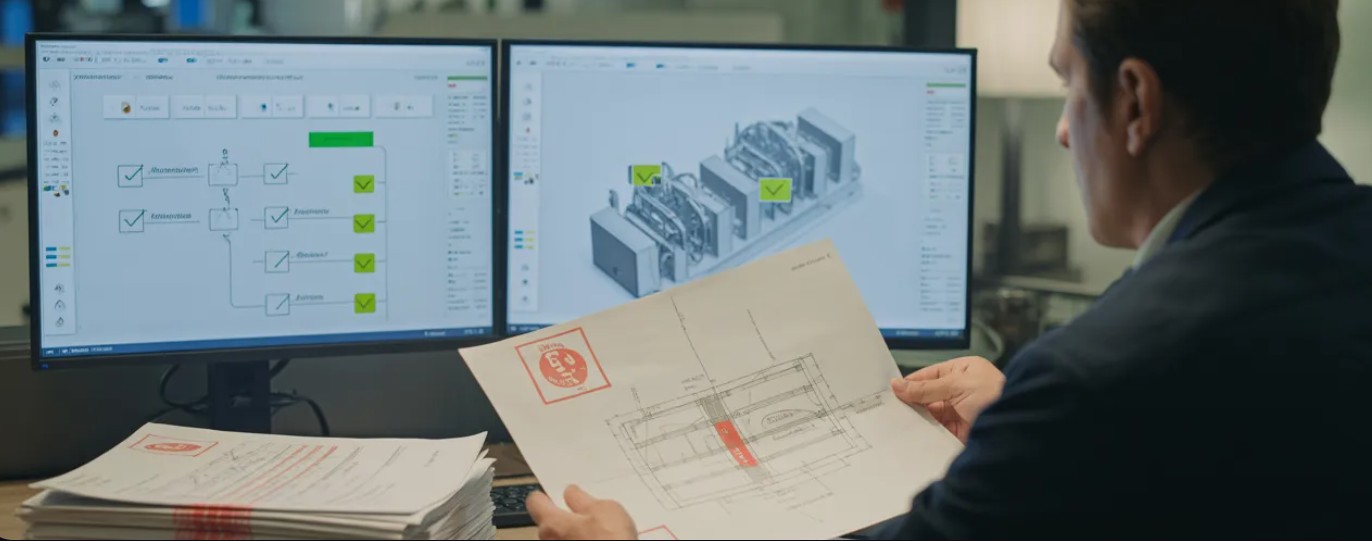
The author argues that the fundamental problem extends beyond AI capabilities. Engineers have not fully standardized their existing workflows, particularly the methods used to communicate design intent through technical drawings.

Geometric dimensioning and tolerancing (GD&T) presents a significant challenge. Engineers sometimes struggle to apply tolerances correctly, creating difficulties for suppliers responsible for manufacturing components. Training AI on such imperfect documentation could reproduce existing mistakes rather than eliminate them.

The transition from traditional engineering drawings to model-based definitions (MBDs) introduces another complication. As engineering information increasingly resides within evolving digital models, determining which data represents the authoritative source becomes more difficult.

These uncertainties raise concerns about AI-generated designs, manufacturing quality, and potential consequences throughout supply chains.

Nevertheless, the author remains optimistic about AI’s future in engineering. Rather than expecting AI to produce flawless drawings independently, the author emphasizes the importance of human verification.

Engineering responsibilities may consequently shift toward reviewing AI-generated models, validating design changes, and checking technical documentation. Alternatively, AI could serve as a verification assistant, identifying mistakes in drawings created by engineers.

Ultimately, the article suggests that successful AI adoption requires improving engineering practices alongside automation. Reliable design data, clearly defined workflows, and professional judgment will remain essential for producing accurate, manufacturable engineering designs.

AI Automation Improves Engineering Change Order Management

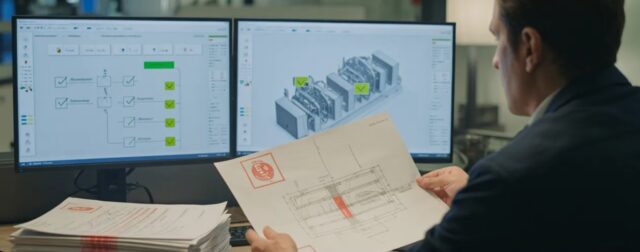
Source: Leo AI.
Source: Leo AI.


Engineering change orders (ECOs) are essential for managing design modifications, maintaining product quality, and ensuring manufacturing consistency. However, identifying every component affected by a change can be challenging, particularly when assemblies contain multiple interconnected parts.

Leo AI explains how automation can improve ECO management by simplifying impact analysis, organizing approval workflows, and preparing documentation for engineering reviews.

Traditional product data management (PDM) and product lifecycle management (PLM) systems track engineering changes, but single-level searches may overlook components affected indirectly. Multilevel where-used analysis addresses this limitation by tracing relationships throughout the product structure.

The article illustrates this problem using a discontinued M8 bolt. A single-level search identifies four affected assemblies, while a three-level analysis reveals eight affected items. Consequently, the simpler search misses 50% of the components requiring consideration.

Leo AI recommends automating three activities: identifying affected components, determining whether changes require fast-track or full-track approval, and assembling documentation for reviewers.

The engineering change process itself involves seven stages, beginning with problem identification and continuing through impact assessment, approval, implementation, verification, and documentation audits. Human oversight remains essential, particularly for decisions requiring engineering judgment.

Before implementing automation, organizations should test their systems against 20 previously completed ECOs. These evaluations should verify component identification, examine recurring changes, and assess documentation preparation times.

Leo AI supports this approach by connecting with existing PDM and PLM environments. It retrieves component relationships, identifies quantities, links supporting documents, and locates previous engineering changes. Its geometric search capabilities can also help engineers identify replacement components.

However, automated analysis depends on accurate product records. Components missing from bills of materials may remain undetected, and approval authority stays with designated reviewers.

The article emphasizes that effective ECO automation combines comprehensive engineering data, systematic impact analysis, and human decision-making to improve change management reliability.

nCircleTech Launches nVibe to Simplify AI-Powered App Development for AEC

Source: AEC Magazine.


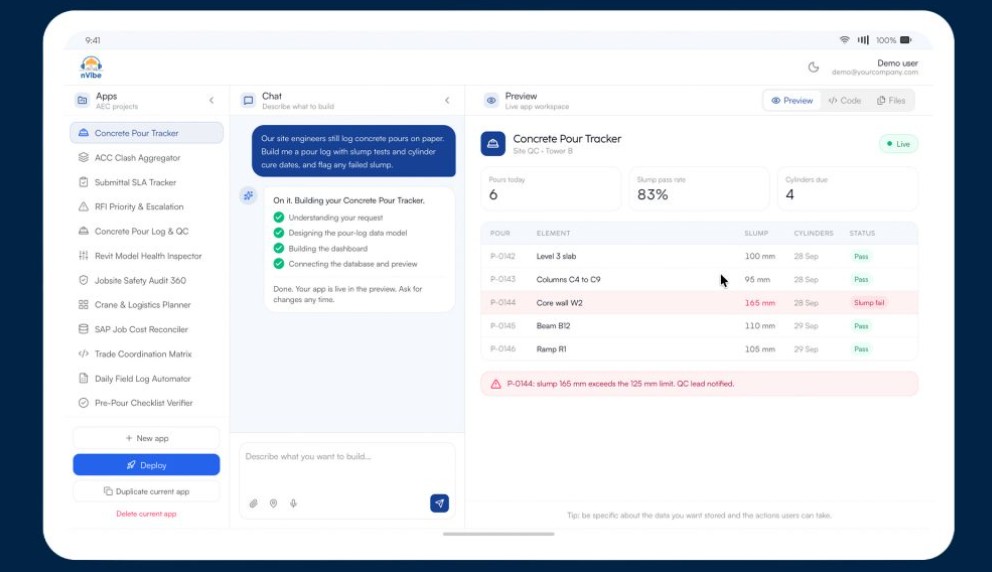
nCircleTech has introduced nVibe, an AI-powered application development platform designed to help architecture, engineering, and construction (AEC) professionals create customized software without writing code. The platform allows users to describe their requirements in everyday language, which AI translates into functional applications, says AEC Magazine.

Unlike general-purpose AI coding tools, nVibe incorporates knowledge of AEC terminology, processes, and industry standards. It understands Work Breakdown Structure (WBS) codes, CSI MasterFormat classifications, requests for information (RFIs), submittals, and Levels of Development (LoD) ranging from 100 to 500. This domain-specific knowledge enables the platform to interpret technical requirements more accurately.

The software operates within a sandboxed environment, allowing IT departments to manage security, permissions, and application deployment. This approach aims to make AI-generated applications more manageable within enterprise environments.

nVibe includes prebuilt connectors for Autodesk Forma, Autodesk Platform Services (APS), Autodesk AEC Data Model, SAP, enterprise resource planning (ERP) systems, and Model Context Protocol (MCP). Integrations with Navisworks, Procore, AutoCAD, and Revit are planned.

Another development, nVibe for Revit, enables users to convert natural-language instructions into native Revit plugins. These applications appear directly on the Revit ribbon, allowing teams to access customized functionality within their existing design environment. According to nCircleTech, applications developed using AI can subsequently run without consuming additional AI tokens.

Potential applications include clash-tracking dashboards for BIM coordination, commissioning checklists for quality assurance and facility handover, construction project dashboards, and daily labor and safety monitoring tools.

By reducing dependence on professional software developers, nVibe aims to help AEC teams automate repetitive processes and connect project information more effectively. Its approach could enable engineers, project managers, and construction specialists to develop practical digital tools tailored to their workflows while maintaining organizational oversight of application security and deployment.

Drone Delivery Expansion Faces Growing Noise and Safety Concerns

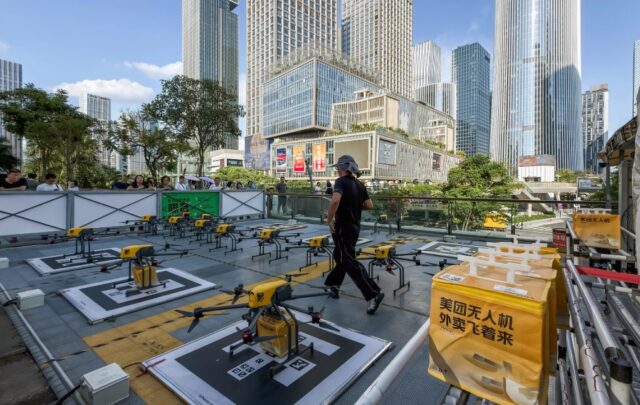
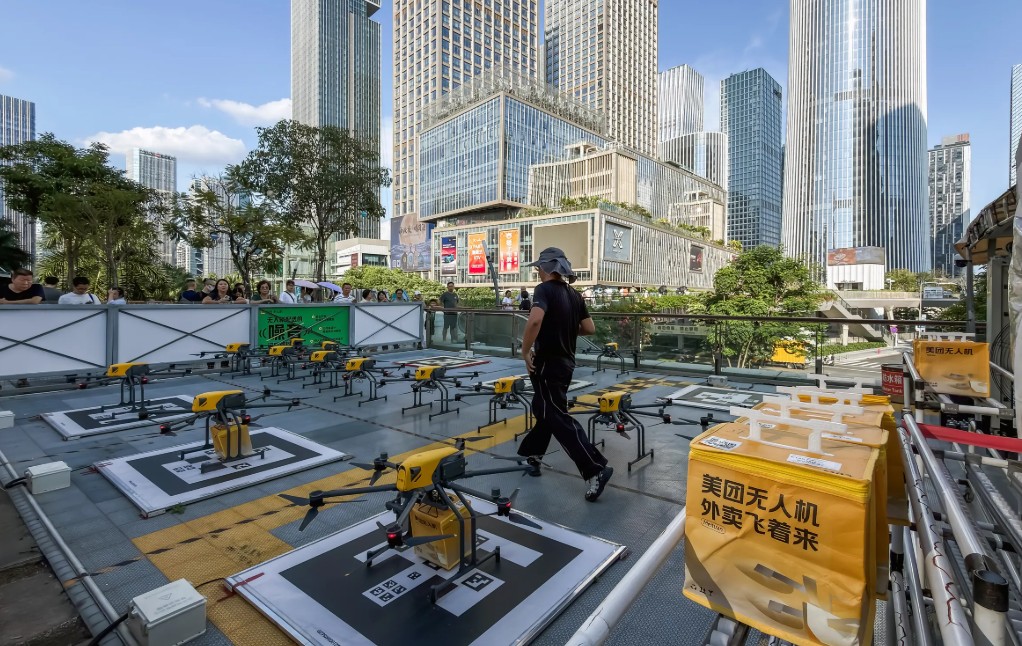
Is delivery of small objects in minutes worth the near-constant buzzing? (Source: Cheng Xin/Getty Images).


Drone delivery promises faster shipments, reduced transportation costs, and potentially lower carbon emissions. However, its growing presence in residential neighborhoods is generating opposition over noise, safety, and privacy concerns.

This IEEE Spectrum article highlights complaints from residents in Baton Rouge, Louisiana, where Amazon Prime Air began operating MK30 delivery drones near residential areas. Residents reported persistent high-pitched rotor noise, disrupted outdoor activities, and concerns about wildlife. One resident counted a drone passing overhead approximately every 48 seconds during a morning observation.

Amazon’s proposed operations included up to 1,000 daily deliveries, with flights scheduled between 6 a.m. and 10:30 p.m. Such intensive activity raises questions about whether residential communities can accommodate large-scale drone networks.

Major operators, including Amazon, Alphabet’s Wing, Zipline, and JD Logistics, are expanding their delivery services. Zipline and Uber aim to achieve one million daily drone deliveries by 2029, while Wing plans hundreds of U.S. drone hubs.

Although companies emphasize efficiency and environmental benefits, researchers have found that drone rotor noise can be more irritating than conventional transportation sounds.

Engineering approaches offer potential solutions. Following community opposition in Australia, Wing redesigned its drones to reduce noise, modified flight-path algorithms, and strengthened community engagement. Different delivery mechanisms also influence safety. Wing and Zipline lower packages using tethers, while Amazon’s larger MK30 drones descend closer to the ground.

Regulatory challenges remain significant. Communities have opposed drone facilities through zoning decisions and legal action, while questions about low-altitude airspace rights remain unresolved.

In Baton Rouge, Amazon reportedly rerouted 70% of flights following complaints, reducing disturbances locally but potentially transferring them elsewhere.

The broader challenge extends beyond technical performance. Successful drone delivery networks will require quieter aircraft, carefully planned routes, effective regulations, and meaningful community involvement to balance commercial convenience with residential quality of life.

Adaptive-Focus Displays Improve Interaction Speed in AR and VR

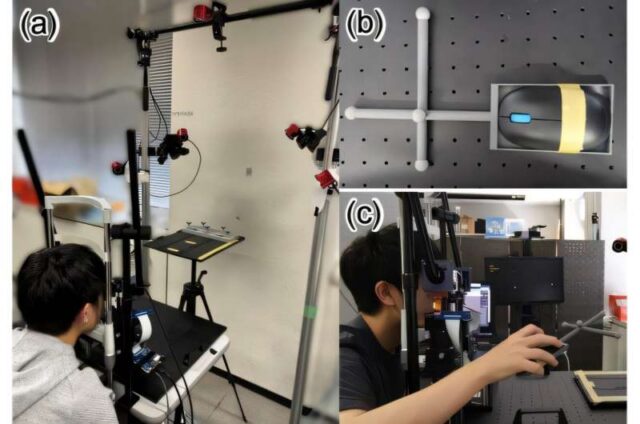
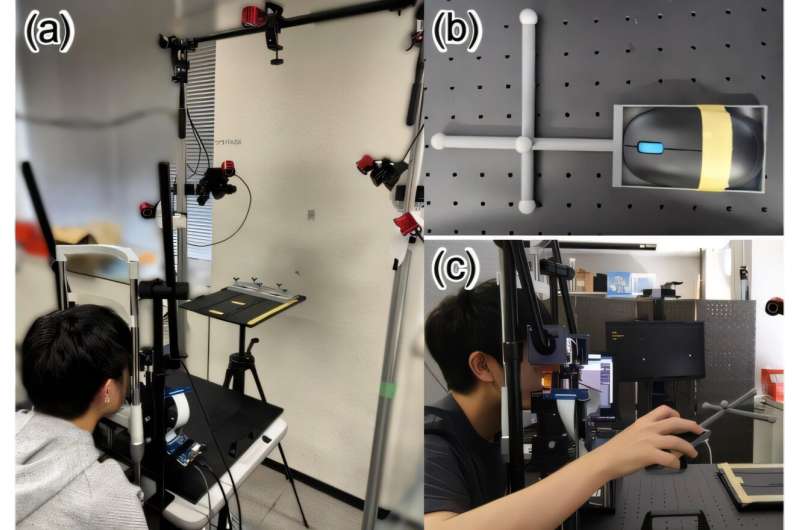
(a) The experimental setup, including the varifocal AR display and tracking system. (b) The handheld wand used by participants to point at virtual targets. (c) A participant performing the 3D pointing task by manipulating the wand to select virtual targets. (Source: Assistant Professor Xiaodan Hu from SIT, Japan).


Researchers at Japan’s Shibaura Institute of Technology have demonstrated that adaptive-focus display technology could improve user interactions in augmented reality (AR) and virtual reality (VR). Their findings suggest that dynamically adjusting focal distances can make virtual-object manipulation faster and more efficient, tells Tech Xplore.

Conventional AR and VR headsets typically display virtual objects at a fixed focal distance, regardless of their perceived depth. This creates a mismatch between eye convergence and focusing, known as the vergence-accommodation conflict (VAC). The resulting visual inconsistency can affect user comfort and interaction performance.

To address this limitation, an international research team led by Assistant Professor Xiaodan Hu developed a varifocal AR display that adjusts its focal plane according to virtual-object depth. The technology provides more natural visual cues, allowing users to interact with digital objects positioned at different distances.

The researchers evaluated the system through experiments involving 3D pointing tasks. Participants used a tracked handheld wand to select virtual targets of varying sizes and distances. The team compared conventional fixed-focus displays with varifocal technology, measuring movement speed, accuracy, and information throughput.

The initial study involved 24 participants, followed by 12 additional participants in a second evaluation.

Results showed that varifocal displays significantly reduced movement times and increased information throughput without significantly affecting error rates. Improvements appeared particularly promising for movements involving changes in depth, although performance benefits varied among participants.

Despite these findings, the researchers acknowledged several limitations. The prototype had a restricted field of view and lacked eye-tracking capabilities. Additionally, the study did not establish whether adaptive focusing reduces long-term eyestrain.

Published in the journal Virtual Reality, the research highlights opportunities for developing personalized AR and VR systems that accommodate individual visual characteristics. Future investigations will explore factors influencing user performance and ways to improve adaptive display designs for practical applications across immersive digital environments.

Enginuity, UKMC Partner on Workforce Skills and Industry Policy

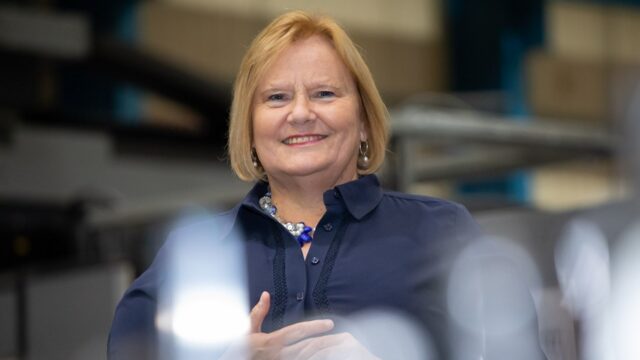
UKMC Chair Rachel Eade, MBE
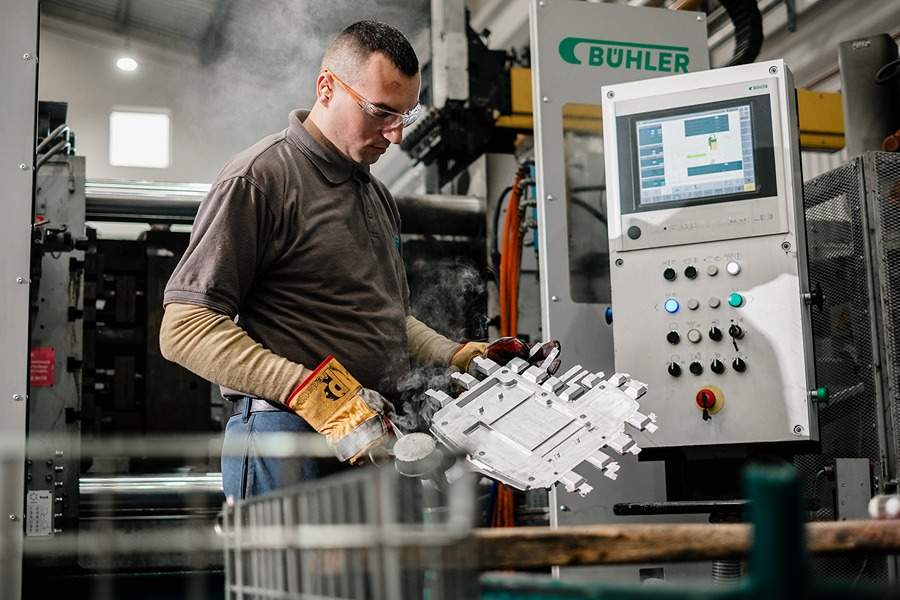
MRT Castings (Image: Enginuity)

Enginuity and the UK Metals Council (UKMC) signed a memorandum of understanding (MoU) to coordinate workforce training, research and policy engagement across the UK metals sector. Their collaboration will center on the Policy Center for Supply Chain and SMEs, “Powered by Enginuity,” using employer input to inform skills planning and policy decisions.

The organizations signed the MoU on the second day of UK Metals Expo 2026 at the NEC in Birmingham. Together, they represent 11,500 companies and 1 million employees, with a combined economic impact of £200 billion, according to the announcement.

Under the MoU, UKMC will serve as an industry partner, sharing market intelligence from its members and the wider metals sector to support Enginuity’s work. It will also encourage member participation in skills initiatives, pilot programs, workshops and industry briefings.

Enginuity CEO Ann Watson, MBE

Enginuity CEO Ann Watson, MBE, said: “We are delighted to be working with the UK Metals Council, an organization that has such a valiant reputation for the work it does in representing and promoting such a critical sector of the UK economy.”

“Our combined voices, commitment and sphere of influence, coupled with industry knowledge, expertise and strength of feeling, can only be a positive move for SMEs across the sectors we both serve.”

“Metals manufacturing is at the heart of the nation’s industrial process and sovereign capability, and a vital element of growth and prosperity for us all.”

Five Areas of Collaboration

The agreement identifies five areas of joint activity:

  • Policy research: Support the Enginuity-led Policy Centre for Supply Chain and SMEs with industry evidence and employer perspectives.
  • Government engagement: Coordinate engagement with the UK government, policymakers and stakeholders.
  • Workforce development: Encourage participation in skills programs, training research and pilot projects while strengthening links with academia.
  • Industry events: Improve coordination between the organizations on events, workshops and industry activities.
  • Labor market intelligence: Share workforce information and sector insights to support research, skills planning and policy development.

UKMC Chair Rachel Eade, MBE, commented: “There is so much we can achieve as a sector if we work more collaboratively and this Memorandum of Understanding with Enginuity is a perfect example of that.”

“Two hugely influential organizations talking more, aligning policies, building employer views into our lobbying and, importantly, putting skills front and center of everything ‘we ask’ going forward.”

She added: “I’m really excited we’ve been able to seal the deal during UK Metals Expo in the heart of the UK, an event where the entire metals supply chain comes together to support and grow domestic engineering, manufacturing and construction.”

“The rallying call will be made for everyone connected with our amazing industry to get involved and support what Enginuity and UKMC are trying to achieve.”

UK Metals Expo 2026 will attract tens of thousands of visitors, with more than 300 exhibitors and 100 expert speakers.

Source: UK Metals Council

About Enginuity

Enginuity is a UK charity that supports skills development in engineering and manufacturing. It is based in Poole, United Kingdom. The organization traces its origins to the Engineering Industry Training Board in 1964 and adopted the Enginuity name in 2020. It works with employers, policymakers, education providers, sector bodies and small and midsize manufacturers. Enginuity provides sector data, skills insight, policy input, employer tools, apprenticeship support, SME leadership courses and technical education resources. Its tools include Role Explorer, Skills Comparator and Career Pathways. Enginuity serves engineering and manufacturing employers, supply chain companies and workforce planning groups across the UK.

About UK Metals Council

UK Metals Council (UKMC) is a British industry organization that represents the metals sector in government policy discussions. Based in West Bromwich, England, it brings together 12 trade associations covering metal production, processing, fabrication and recycling. The council coordinates industry positions on energy costs, trade regulations, industrial policy, environmental requirements and workforce skills. It communicates manufacturers’ concerns to government officials and contributes to consultations on policies affecting the metals supply chain. UKMC also conducts industry surveys and publishes reports on economic conditions and challenges facing manufacturers. It supports UK Metals Expo, which brings together metals producers, suppliers and engineering businesses. Its member associations represent companies serving automotive, aerospace, construction, infrastructure and industrial equipment markets. The UK metals sector comprises more than 11,500 companies and supports approximately 1 million jobs across supply chains.

STMicroelectronics Introduces AI Dev Tools for STM32 MCUs

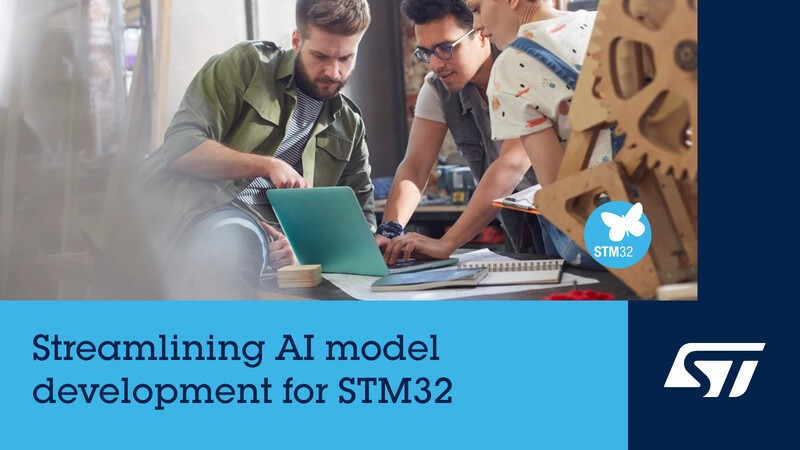
Image: STMicroelectronics

GENEVA, Switzerland, Nov 6, 2026 – STMicroelectronics has redesigned the workflow in ST Edge AI Suite, introducing four tools for developing and deploying machine-learning models on STM32 microcontrollers (MCUs). The environment combines model selection, dataset preparation, training, and hardware benchmarking in a single workflow.

The four tools support different stages of embedded AI development:

  • Model Explorer: Provides a web interface for browsing and selecting pretrained AI models previously available through the Model Zoo GitHub repository.
  • Dataset Factory: Captures and transforms raw data into usable datasets for model development.
  • Model Factory: Supports application-specific model training, customization, quantization and other refinements to optimize models for STM32 microcontrollers.
  • Model Bench: Allows developers to benchmark models remotely on hardware through ST’s board farm before deployment. It replaces ST Edge AI Developer Cloud.

“Working efficiently with AI models is a priority for designers as local inference becomes a defining aspect of today’s smart products,” said Stephane Henry, Edge AI solution group VP at STMicroelectronics. “Today we have the largest collection of AI models of any microcontroller vendor, with over 400 pre-trained models including a large selection for sensing applications; aka physical AI. With Model Explorer, Model Factory, Dataset Factory and Model Bench in ST Edge AI Suite, we now consolidate this support in an environment purpose-built for designers targeting STM32 devices.”

ST Edge AI Suite supports more than 260,000 projects. Its users include engineers at major technology companies, startups and independent developers. ST Edge AI Suite also connects developers with the STM32 ecosystem, which includes more than 4,000 commercial part numbers.

The tools support embedded AI development across consumer electronics, industrial sensors, controls, medical devices and automotive systems. Developers working on these applications can select and adapt models, optimize memory and computing resources, and evaluate performance on target hardware.

The associated STM32Cube ecosystem provides tools for selecting and microcontrollers, along with software libraries and code examples. Developers can work within their preferred integrated development environment (IDE).

STM32Cube also connects developers with evaluation hardware, including STM32 Nucleo boards, discovery kits and expansion cards for wireless connectivity, vision, time-of-flight, Internet of Things (IoT) sensing and motor drives.

Source: STMicroelectronics

About STMicroelectronics

STMicroelectronics (ST) is a semiconductor company founded in 1987. It designs and manufactures microcontrollers, sensors, power devices and other analog and mixed-signal components. The company operates as an integrated device manufacturer with in-house production that supports large-volume supply for global markets. Its customers include automotive, industrial, consumer electronics and communications equipment manufacturers. ST also works with technology partners to develop components used in mobility systems, energy and power management equipment and connected devices. The company reports ongoing efforts to reduce emissions across its operations and increase the share of renewable electricity in its manufacturing sites, with a goal to reach full renewable sourcing by 2027. ST is headquartered in Geneva, Switzerland. It serves more than 200,000 customers worldwide and employs about 50,000 people. Its technologies support applications that require efficient power conversion, sensing, processing and connectivity. The company expands its portfolio to support automotive, industrial, consumer and connected system applications through integrated design and manufacturing.
PTC Reports Q4 ARR Growth, Stronger Cash Position

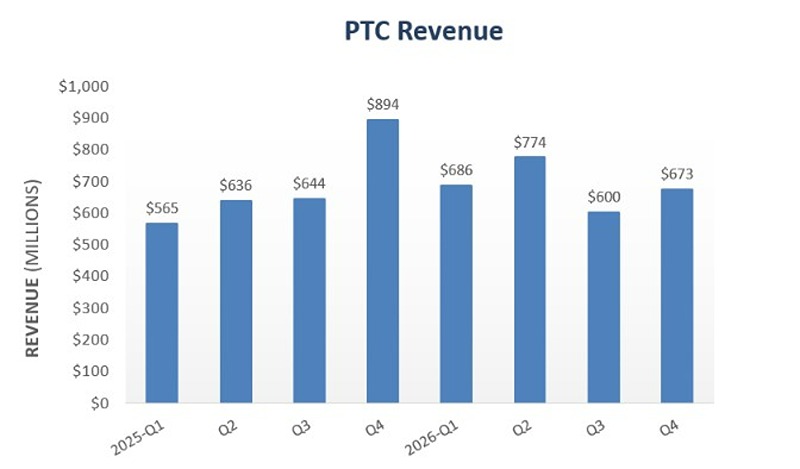
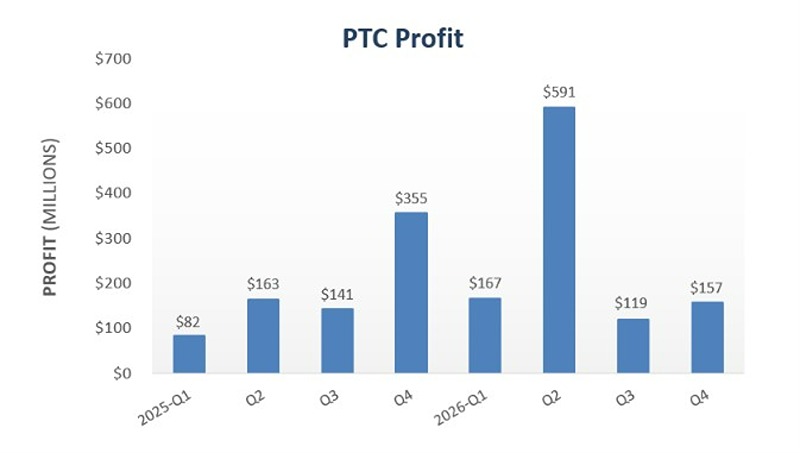
BOSTON, MA, Nov 5, 2026 – PTC has announced its Q4 FY26 results, reporting $673M in revenue – a 12.2% increase from $600M in Q3 FY26 – with a profit of $157M.

Fourth Quarter Financial Highlights

  • ARR excluding divested businesses increased 9.7% in constant currency to $2.55B.
  • GAAP operating margin reached 32%.
  • Share repurchases totaled approximately $299M in Q4, bringing total FY2026 repurchases to approximately $1.63B.
  • Cash and cash equivalents totaled $232.9M, up approximately 26% from a year earlier.
  • R&D spending increased approximately 4.9% to $120.1M, reflecting higher investment in product development.

Proposed Schneider Electric Acquisition

PTC announced on Oct. 5, 2026, that it had entered into an agreement to be acquired by Schneider Electric. The proposed acquisition would change PTC’s ownership if completed.

Eight-quarter financial trends: A comparative analysis of PTC’s results.

A detailed chart outlining the financial results is available here, providing a comprehensive breakdown of key metrics and performance indicators for better insight into the company’s financial standing.

Source: PTC

About PTC

PTC was founded in 1985 and headquartered in Boston, MA, develops software for engineering and product development teams worldwide. Its portfolio includes CAD, PLM, IIoT, application lifecycle management, and augmented reality tools. The software supports product design, manufacturing, data management, and service operations. PTC serves manufacturers in aerospace, automotive, electronics, industrial equipment and energy sectors. The company reports more than 30,000 customers globally, including 95% of Fortune 500 manufacturers. PTC employs about 7,500 people worldwide. It operates primarily on a subscription-based business model focused on digital product development and connected operations.

Siemens Healthineers to Become Healthineers

Image: Siemens Healthineers

ERLANGEN and MUNICH, Germany, Nov 5, 2026 – Siemens Healthineers plans to change its name to Healthineers as part of its proposed separation from Siemens in 2027. The spin-off requires approval from shareholders of both companies at their annual meetings in February 2027. Siemens Healthineers shareholders must also approve the name change.

The move is meant to establish Healthineers as a standalone healthcare company. The separation would also support its strategy to expand industrial artificial intelligence (AI) by combining physical and digital technologies.

“This is the logical next step in a journey we started years ago – and one that has proven hugely successful,” said Roland Busch, president and CEO Siemens AG. “Siemens Healthineers has grown from its Siemens roots into a global leader in its own right. It is only natural that this evolution is reflected clearly in how the company presents itself to the outside world. For Siemens, this sharpens our profile as the company that scales AI in the real world. Our unique ability to combine the real and digital worlds makes this possible, accelerating profitable growth.”

Bernd Montag, president and CEO Siemens Healthineers AG, said: “Siemens is where we have come from and remains an important and treasured part of our heritage. Healthineers is who we are – engineers and pioneers in healthcare. After the deconsolidation from Siemens, we will write the next chapters of our journey in the Healthineers name and will continue pioneering breakthroughs in healthcare for everyone. Everywhere. Sustainably.”

The name change is expected to begin after the spin-off is formally registered in Germany, completing the separation from Siemens. The companies have agreed to a three-year transition period following the separation to update company and product registrations under the new name.

Source: Siemens

About Siemens Healthineers

Siemens Healthineers, headquartered in Erlangen, Germany, is a global medical technology company with over 125 years of experience. The company specializes in diagnostic imaging systems, laboratory diagnostics, point-of-care testing, and advanced therapies, serving healthcare providers worldwide. Siemens Healthineers employs approximately 68,000 people across 70 countries. Originally part of Siemens AG, it became a separate legal entity in 2017.

0FansLike
0FollowersFollow
0SubscribersSubscribe
Google search engine

Recent Articles

Trending Now