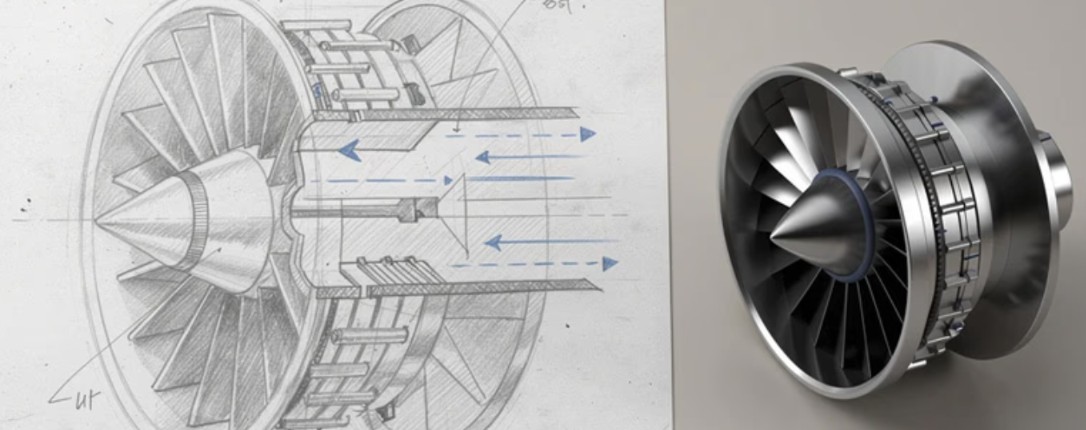
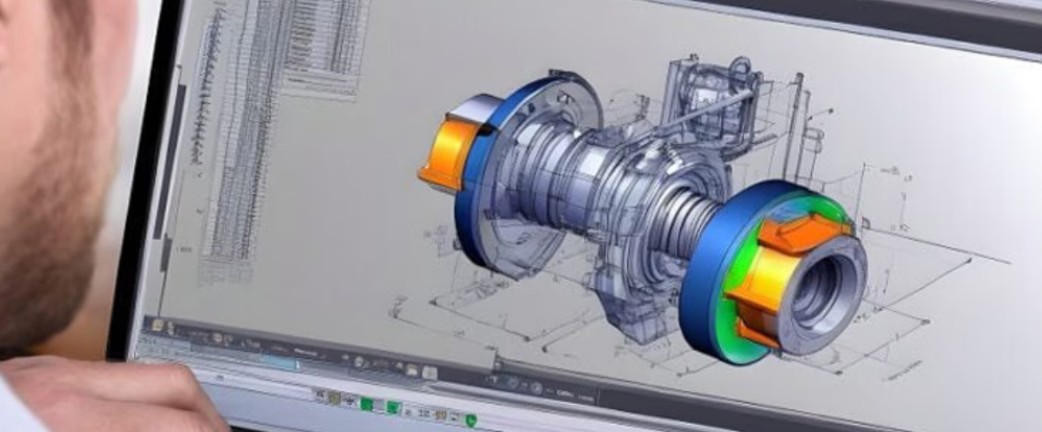
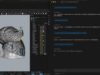
Converting hand-drawn sketches and 2D engineering drawings into accurate 3D CAD models remains challenging despite advances in artificial intelligence (AI). While emerging tools promise faster modeling, many struggle to meet the precision, editability, and manufacturing requirements of professional engineering workflows.
This Leo AI article evaluates five tools: Leo AI, Zoo.dev, CADScribe, Tripo AI, and AdamCAD. The comparison highlights differences between generating visually convincing 3D geometry and creating models suitable for engineering applications.
The article references an August 2025 evaluation by Xometry involving seven text-to-CAD tools. Although some generated acceptable simple components, most struggled with moderately complex parts, including a 24-tooth gear. More demanding designs, such as manifold blocks containing internal channels, produced inaccurate or incomplete results.
A major limitation involves dimensional accuracy. AI-generated models frequently lack precise tolerances, parametric features, and editable design histories. Many systems also produce mesh-based geometry rather than boundary-representation (B-rep) models, restricting their usefulness in conventional CAD workflows.
Among the evaluated tools, Zoo.dev generates B-rep geometry and STEP files, while CADScribe supports STEP and STL exports. AdamCAD produces STL and SCAD files, primarily for simpler designs. Tripo AI focuses on mesh generation for animation, gaming, and visualization rather than manufacturing.
Leo AI takes a different approach by combining 3D concept generation with engineering knowledge management. According to the company, its platform generates mesh concepts from sketches and specifications in under 50 seconds. It also supports engineering documentation, technical calculations, and searches across product lifecycle management (PLM) databases.
The article emphasizes that successful AI-assisted CAD workflows require more than automated geometry creation. Engineers must consider dimensional constraints, material specifications, manufacturing processes, and existing design information.
Although AI can accelerate early conceptualization, conventional CAD software and engineering expertise remain essential for producing accurate, editable, and manufacturable designs.
MORRISVILLE, NC, Nov 12, 2026 – Lenovo has announced new ThinkSystem servers powered by 6th Generation AMD EPYC SP7 processors, storage arrays and expanded services for artificial intelligence (AI) and high-performance computing (HPC). The portfolio also includes Neptune liquid cooling and high-speed interconnect options for deployments across customer data centers, hybrid environments and colocation facilities.
“AI and high-performance computing are converging around a simple customer need: the ability to turn increasingly complex workloads into real outcomes,” said Scott Patti, vice president, infrastructure solutions group, Lenovo. “That means getting more useful performance from every watt, overcoming growing power and cooling constraints, and moving faster from infrastructure deployment to operational AI. Lenovo is bringing together high-performance infrastructure, Neptune™ liquid cooling and expanded services to help customers do exactly that at scale.”
Servers, Storage and Interconnects
The infrastructure expansion includes two ThinkSystem servers, two storage arrays and an interconnect option.
Lenovo ThinkSystem SC755: The dual-socket server uses Neptune liquid cooling to remove up to 100% of system heat through water. Lenovo claims up to 40% higher sustained performance than comparable air-cooled systems. Lenovo Dynamic Partitioning allows customers to convert two dual-socket systems into single-socket configurations and back, providing flexibility in allocating computing resources across workloads.
Lenovo ThinkSystem SR755: The server is designed for large-scale virtualization, engineering workloads, financial modeling, electronic design automation (EDA) and agentic AI infrastructure. It emphasizes compute density and memory bandwidth. Lenovo also reports lower power consumption and better economics for demanding workloads compared with dual-socket configurations.
Lenovo ThinkSystem DE6800 and DE6500: The storage arrays support high-throughput, latency-sensitive block storage workloads. The DE6800 is designed for applications requiring high storage throughput, while the DE6500 provides high-performance storage with simplified deployment and management.
Cornelis CN5000 fabric validation: Lenovo has validated the Cornelis CN5000 fabric as a high-performance interconnect option for AI and HPC environments. The technology is intended to reduce data movement bottlenecks across compute-intensive systems.
“As AI and HPC workloads converge, organizations need infrastructure that delivers exceptional compute performance, energy efficiency and flexibility at scale,” said Dan McNamara, senior vice president and general manager, compute and enterprise AI, AMD. “The new Lenovo ThinkSystem platforms powered by 6th Gen AMD EPYC Server CPUs help customers accelerate demanding workloads – from engineering and scientific research to AI inferencing and agentic AI – while building a more efficient, scalable foundation for continued innovation.”
Expanded AI Infrastructure Services
Lenovo is expanding its Hybrid AI services to support infrastructure deployment, and configuration for enterprise AI environments and AI facilities.
Hybrid AI Factory Services: Lenovo has added GPU deployment, configuration and optimization capabilities for hybrid AI infrastructure. The services include new multi-node support across RedHat AI Enterprises and NVIDIA AI Enterprise with NVIDIA Run. They support the deployment, management and scaling of workloads, including agentic AI and physical AI.
Gigafactory Services: Lenovo is expanding its services for large AI deployments with new gigafactory services, including NVIDIA Infrastructure Services (NVIS) expertise for specialized deployment and cluster validation. The services cover projects from planning and construction through deployment and optimization.
Colocation Services with Digital Realty: Lenovo can now facilitate access to Digital Realty’s global network of colocation facilities. Organizations can use the Digital Realty Innovation Lab (DRIL) to validate AI infrastructure, applications and workload requirements. Lenovo serves as a single point of contact for organizations seeking colocation capacity, with access to infrastructure, modular services and financing through Lenovo TruScale Infrastructure as a Service.
AI and HPC Customer Applications
Lenovo cited customer deployments involving scientific research, engineering simulations and digital content production. At the University of Florida, the fourth generation of the HiPerGator supercomputer uses Lenovo, NVIDIA and AMD technologies. DreamWorks Animation uses Lenovo Neptune in its data center. The company also cited sovereign AI research in Bavaria, Germany, and fusion energy simulations at Imperial College London as applications of its AI and HPC infrastructure.
Source: Lenovo
About Lenovo
Lenovo Group Limited, founded in 1984, is a tech company specializing in designing, manufacturing, and marketing consumer electronics, personal computers, software, servers, and related services. Serving industries such as education, healthcare, retail, and manufacturing, Lenovo offers a diverse product portfolio that includes laptops, desktops, tablets, smartphones, workstations, servers, storage devices, and accessories. The company markets its products under brands like ThinkPad, ThinkBook, IdeaPad, Yoga, Motorola, and Legion. Headquartered in Beijing, China, and Morrisville, NC, Lenovo operates in over 60 countries and sells its products in approximately 160 countries worldwide.
Artificial intelligence (AI) is transforming finite element analysis (FEA) from a traditional design verification tool into an active optimization process. By combining machine learning with established simulation software, engineers can evaluate more design alternatives, reduce development time, and improve product performance.
Conventional FEA workflows involve creating CAD models, generating meshes, defining boundary conditions, running simulations, and interpreting results. Engineers then modify designs and repeat the process. According to Leo AI, these cycles can take hours or days, often limiting teams to three to five iterations.
AI-driven optimization automates this process by systematically exploring design parameters such as wall thickness, material selection, rib placement, and geometric features. Intelligent algorithms use simulation results to identify promising configurations without requiring engineers to manually evaluate every possibility.
Surrogate modeling offers significant efficiency improvements. Machine learning models trained on selected FEA simulations can predict outcomes for thousands of additional designs. Leo AI suggests this approach could reduce studies requiring 500–1,000 simulations to approximately 50–100 runs.
Multi-objective optimization further helps engineers balance competing requirements, including weight, stiffness, fatigue resistance, and manufacturability. Combined with topology optimization, these techniques can generate lighter components while maintaining structural integrity. The article reports potential weight reductions of 20–40%.
However, successful optimization requires more than simulation software. Engineers need access to material properties, design standards, historical results, and manufacturing constraints. AI platforms connected to product lifecycle management (PLM) and product data management (PDM) systems can retrieve relevant technical information and support informed decisions.
Existing tools such as Ansys, Abaqus, and SolidWorks Simulation can remain central to these workflows, with AI managing parameter exploration and analyzing results.
Ultimately, AI-driven FEA optimization enables engineering teams to investigate broader design possibilities while retaining human oversight and physics-based validation, potentially improving efficiency, product quality, and engineering knowledge reuse.
Engineering innovation increasingly depends on understanding how electronic, mechanical, and physical systems interact. Cadence Design Systems is expanding beyond traditional electronic design automation (EDA) to address these interconnected challenges through integrated simulation, artificial intelligence (AI), and digital twin technologies.
Modern AI processors illustrate this complexity. Their performance depends not only on semiconductor design but also on advanced packaging, printed circuit boards (PCBs), signal and power integrity, electromagnetic behavior, thermal management, and supporting infrastructure. Optimizing individual components without considering system-level interactions can compromise reliability and efficiency.
Cadence addresses these challenges through a portfolio spanning multiple engineering disciplines. Virtuoso, Innovus, and Integrity 3D-IC support semiconductor and packaging design, while Allegro X, Sigrity X, and Clarity handle PCB development and electrical analysis. Celsius, Fidelity CFD, and the Cadence Reality Digital Twin Platform extend these capabilities into thermal management, fluid dynamics, and physical infrastructure simulation.
The acquisition of Hexagon’s Design and Engineering business, including MSC Nastran and Adams, further expands Cadence’s capabilities into structural mechanics, dynamics, and multiphysics simulation.
AI data centers represent an important application. Increasing computing density creates challenges involving power delivery, cooling, reliability, and energy consumption. Cadence Reality enables engineers to simulate data center environments and evaluate infrastructure changes before physical implementation.
The company identifies three developments shaping engineering workflows: earlier integration of simulation, convergence of multiphysics disciplines, and growing adoption of AI-powered optimization and digital twins.
Shift-left engineering allows teams to evaluate electrical, thermal, electromagnetic, and mechanical behavior earlier in development, potentially reducing redesign costs and improving reliability. Meanwhile, integrated multiphysics workflows help eliminate barriers between engineering disciplines.
Cadence also emphasizes collaboration across technical teams. Connecting semiconductor design decisions with their physical consequences could improve engineering productivity, system performance, and sustainability while enabling more comprehensive development of increasingly complex technologies.
Traditional vehicle testing has relied heavily on accumulating road miles to evaluate performance and reliability. However, the growing complexity of advanced driver-assistance systems (ADAS) and autonomous driving technologies is forcing automakers to rethink this approach. According to Cadence, the diversity of driving scenarios matters more than the distance traveled.
ADAS systems must operate under countless combinations of road conditions, traffic patterns, weather, lighting, and sensor configurations. Even minor changes can create entirely new testing scenarios. For example, combining 10 road types, 5 weather conditions, 3 lighting conditions, 20 traffic situations, and 4 sensor configurations produces 12,000 possible test cases. Real-world programs can involve millions of combinations, making conventional road testing impractical.
Particularly challenging are rare but potentially dangerous edge cases, such as pedestrians emerging from behind parked vehicles, unexpected cyclist movements, or reduced visibility. These situations are difficult to reproduce consistently during physical testing.
Scenario-based validation addresses this challenge by systematically evaluating driving conditions through simulation. Engineers can create, modify, and repeat scenarios to assess system behavior across diverse environments. Daimler Truck, for example, uses simulation to vary vehicle speed, road friction, payload, and intersection geometry before conducting selected proving-ground tests.
The growing number of scenarios also makes automation essential. Automated tools can generate test variations, execute simulations, collect results, evaluate performance indicators, and identify regressions. Reusable scenario libraries further simplify testing by organizing highway situations, urban traffic events, weather variations, and critical edge cases.
Cadence emphasizes that effective ADAS validation increasingly depends on scenario coverage rather than mileage alone. Its Virtual Test Drive (VTD) technology supports this transition through realistic simulation environments.
As software-defined vehicles become more sophisticated, combining scenario diversity, repeatability, automation, and coverage analysis will help engineering teams identify safety risks more efficiently while reducing dependence on extensive physical road testing.
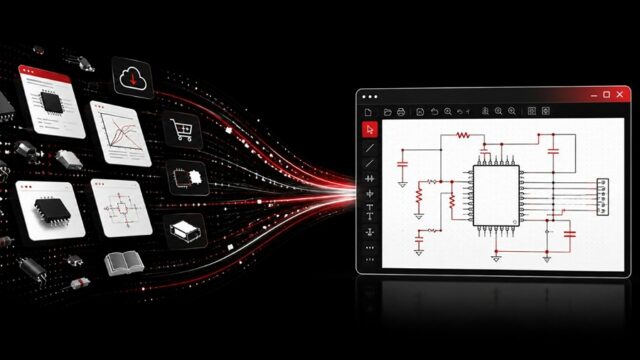
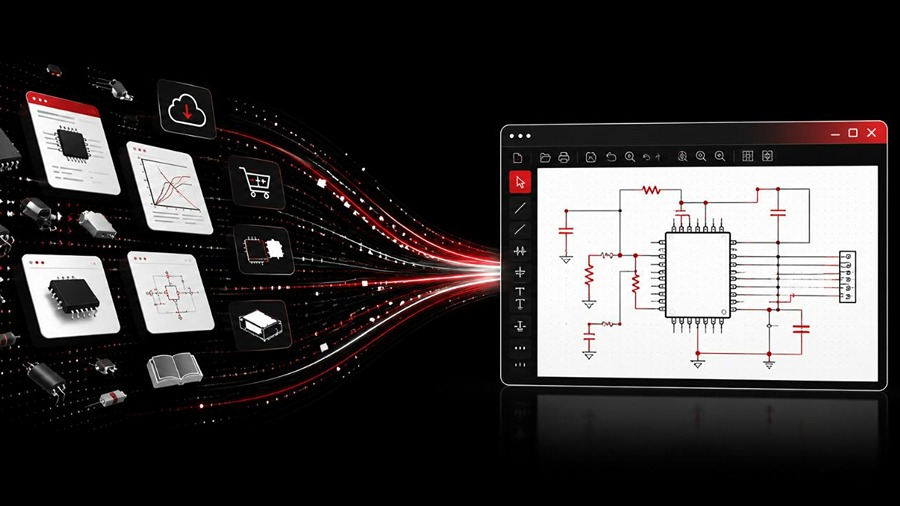
OrCAD Xplore gives engineers immediate access to manufacturer-authoritative symbols, footprints, 3D models, simulation-ready models, reference designs, documentation and application expertise within OrCAD X Capture. (Image: Cadence)
OrCAD Xplore gives engineers immediate access to manufacturer-authoritative symbols, footprints, 3D models, simulation-ready models, reference designs, documentation and application expertise within OrCAD X Capture. (Image: Cadence)
SAN JOSE, CA, Nov 12, 2026 – Cadence has announced the Cadence OrCAD Xplore Design Platform, a design environment that integrates electronic component research, design, supply-chain intelligence and procurement. Built on OrCAD X Capture and using the Cadence Ultra Librarian ecosystem, the platform brings manufacturer content, component data and sourcing tools into the printed circuit board (PCB) design workflow. OrCAD Xplore is designed for individual engineers and design teams that use multiple websites and tools to research, evaluate and source electronic components.
“Built on years of collaboration with semiconductor manufacturers, Cadence has helped enable the design of today’s most advanced ICs,” said Michael Jackson, corporate vice president and general manager of the systems design and analysis group at Cadence. “OrCAD Xplore extends that partnership beyond design and into the path to market. By bringing manufacturer expertise directly to engineers at the point of component selection, we can simplify component research, accelerate design-in and help our partners grow adoption of their products.”
Component Research and Design Integration
OrCAD Xplore provides access to manufacturer-supplied symbols, footprints, 3D models, simulation-ready models, reference designs, documentation and application expertise within OrCAD X Capture. Through Ultra Librarian, engineers can access more than 16 million verified symbols, footprints and 3D models. Using this content saves an average of three hours per component by avoiding manual symbol and footprint creation and verification.
The platform also allows engineers to review component lifecycle status, availability, pricing, lead times, compliance information, sourcing risks and qualified alternatives during the design process. AI-powered natural-language interactions support component research, selection, replacement and sourcing. Engineers can access manufacturer product information and technical resources without switching between separate research tools.
“Texas Instruments is committed to helping engineers accelerate innovation with foundational semiconductors, design expertise and robust development resources,” said Jason Cole, vice president and general manager of sensing products at Texas Instruments. “Through Cadence’s OrCAD Xplore, we can put reference designs, simulation-ready models and technical knowledge directly into the workflows engineers use every day, enabling faster evaluation, better design decisions and shorter time to market.”
“Engineers need more than component specifications to make informed design decisions. By bringing ST’s broad portfolio, reference designs and system-level expertise into their design workflow, the Cadence OrCAD Xplore Design Platform can help customers evaluate options faster and move their designs forward more efficiently and with greater confidence,” said Gerd Melder, group vice president, digital marketing at STMicroelectronics.
Manufacturer and Component Partner Integration
OrCAD Xplore platform provides semiconductor manufacturers and component distribution partners with a digital channel for supplying product information during component selection. The platform incorporates manufacturer-verified content, technical resources, selection tools and design models. Engineers can use these resources to evaluate components within their existing design workflows.
“Cadence’s OrCAD Xplore brings Murata’s component intelligence and design models directly to engineers, enabling faster component selection, improved design accuracy and greater confidence throughout the development process,” said Tom Kuhl, vice president of digital experience at Murata.
“At Molex, we’re focused on becoming the easiest connector company for engineers to work with by removing friction throughout the design process,” said Ashley Quinlan, vice president of global marketing at Molex. “Our integration with Cadence OrCAD Xplore advances that commitment by making Molex solutions and engineering expertise more accessible within the tools and workflows engineers rely on to make critical architecture and component decisions.”
Supply-Chain Information and Procurement
OrCAD Xplore integrates DigiKey supply-chain information into the design environment. Engineers can review component availability, pricing and sourcing considerations as they develop their designs. An integrated shopping cart allows users to purchase a complete bill of materials (BOM) through DigiKey, connecting component selection with procurement.
“At DigiKey, we are committed to helping engineers move seamlessly from design to production,” said Brooks Vigen, senior director, global strategic marketing at DigiKey. “By bringing real-time supply-chain intelligence into Cadence’s OrCAD Xplore, designers can make component decisions with greater confidence, while our integrated shopping experience streamlines the path from selection to sourcing.”
Integration With the Cadence Design Ecosystem
OrCAD Xplore forms part of Cadence’s electronic systems design environment, which also includes the Allegro X Design Platform and Allegro X PCB System Capture. Cadence positions the platform as a starting point for individual engineers and small teams that may move from PCB-focused design to complex system design workflows. OrCAD Xplore also forms part of the company’s Intelligent System Design strategy, combining component information, manufacturer resources and PCB design technology.
The OrCAD Xplore partner ecosystem is designed to expand after launch, adding component manufacturers and industry partners to increase the range of technical information and resources available through the platform.
Source: Cadence
About Cadence
Cadence Design Systems is a U.S.-based technology firm that develops electronic design automation (EDA) tools, hardware, and IP for designing integrated circuits and electronic systems. Formed in 1988 through the merger of SDA Systems and ECAD, the company is headquartered in San Jose, CA. Cadence provides software and solutions for designing SoCs, PCBs, and complete electronic systems used in the semiconductor, automotive, aerospace and defense, telecommunications, and consumer electronics industries. Its tools support both digital and analog design workflows. Cadence employs about 12,000 people globally.
The United States is exploring technologies to track advanced artificial intelligence (AI) chips and prevent their unauthorized export, particularly to China. Despite restrictions introduced in 2022, sophisticated processors continue reaching prohibited destinations, raising concerns about enforcement and national security, tells IEEE Spectrum.
In October 2026, U.S. authorities arrested a man accused of illegally shipping more than $300 million worth of GPU-equipped servers to China using documentation intended for Malaysia and Singapore. The incident highlights the growing need for reliable chip-tracking mechanisms.
One proposed solution is ping-based location verification (PLV), which determines a chip’s approximate location by measuring communication delays between the processor and trusted servers worldwide. Researchers at Georgetown University’s Center for Security and Emerging Technology (CSET) suggest integrating this functionality into new chips or adding it to existing processors through firmware updates.
Another approach involves cryptographic sovereignty certificates. Developed by secure computing company Lucid Computing, these credentials use hardware-based security and digital signatures to verify a processor’s physical location at a particular time.
Researchers are also investigating GPU fingerprinting, which identifies individual processors through unique manufacturing characteristics. A proof-of-concept study demonstrated fingerprinting techniques using Nvidia H200 GPUs, potentially reducing reliance on cryptographic keys that attackers could compromise.
However, these technologies face limitations. PLV cannot locate inactive chips during storage or transportation, while sophisticated attackers might manipulate verification signals. Researchers therefore recommend combining electronic monitoring with physical inspections.
Implementation costs and potential security vulnerabilities present additional challenges. Moreover, location tracking cannot prevent Chinese companies from legally accessing advanced processors through overseas cloud services.
Although mandatory tracking legislation remains under consideration, researchers expect stricter verification requirements as AI computing becomes increasingly important to national security.
For semiconductor manufacturers and data center operators, these developments could introduce new hardware security requirements, compliance responsibilities, and verification technologies throughout the AI computing supply chain.
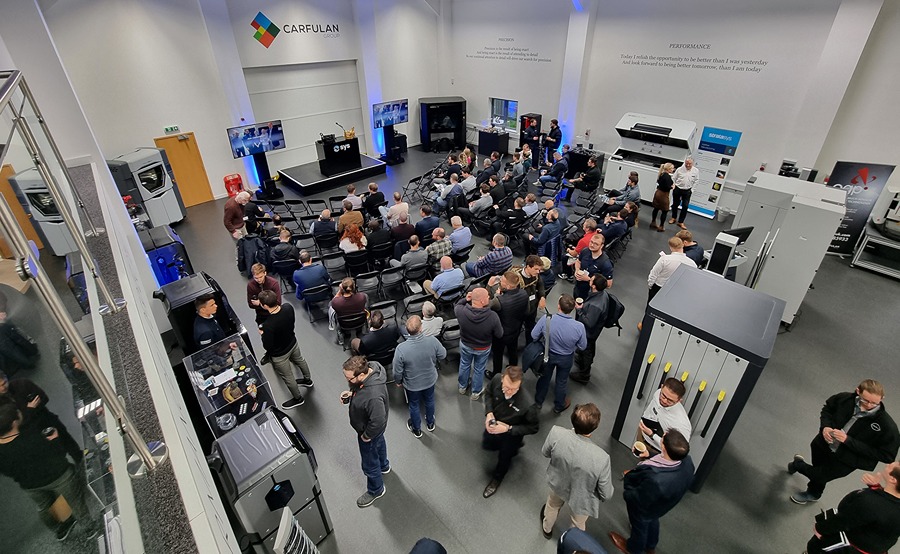
Carfulan Group will open its Innovation Center in Foston on Nov 25, 2026, bringing together metrology, additive manufacturing, tool presetting and inspection technologies for original equipment manufacturers (OEMs), suppliers and new market entrants.
More than 100 delegates are expected at the opening event, which will feature over 30 live demonstrations and keynote presentations in additive manufacturing, tool presetting and metrology. Visitors will also be able to test their own products and prototypes.
“We have seen a significant increase in the number of enquiries from the aerospace and defense sector over the last twelve months,” said Chris Fulton, managing director of Carfulan Group.
“This has emerged through repeat business from some of the world’s most well-known manufacturers and several new partners, who are transferring skills that are complementary to this rapidly expanding marketplace.”
He continued: “With this in mind, we felt it was the right time to showcase all the different technologies we offer in one place and encourage a collaborative approach to understanding industry’s ‘pain points’ and how we can assist our clients in overcoming them.”
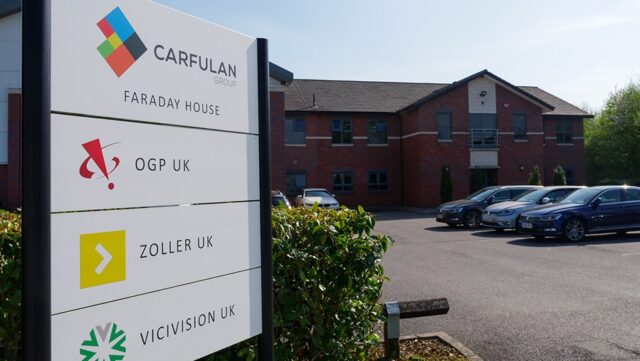
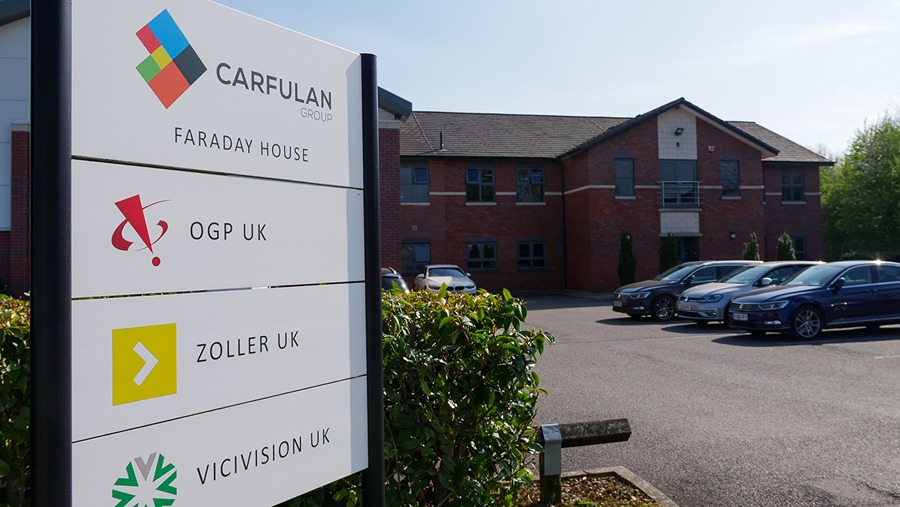
Image: Carfulan Group
The event will feature equipment and software from several technology providers:
OGP: Multi-sensor metrology equipment combining measurement capabilities on one platform.
Stratasys: Additive manufacturing systems using ULTEM 9085 and Antero, for cabin and ducting parts, jigs, fixtures and drill guides.
ZOLLER: Tool presetting, shrinking and balancing systems for manufacturing operations.
VICIVISION: Turned-part measurement systems for inspecting shafts, pins, fasteners and fittings in seconds.
Metrios: Equipment for rapid inspection on the shop floor.
DISCUS: Software for automatic drawing ballooning and preparation of AS9102 first article inspection reports.
Fulton added: “The two final showcases will focus on rapid shopfloor inspection equipment from Metrios and ‘auto-ballooning’ software from DISCUS. The latter shows an automatic ballooning of a drawing through to an AS9102 report, turning days of preparation into hours.”
“Whilst this is a dedicated day for the aerospace and defense sector, we are also keen to welcome other industries that may benefit from what we do.”
He concluded: “All our solutions, all our technologies and all our experts under one roof, identifying production issues and how we can unleash new productivity gains for companies, engineers and quality specialists.”
Source: Carfulan Group
About Carfulan Group
Carfulan Group is a UK-based manufacturing technology provider headquartered in Derbyshire, UK. The company operates from an Advanced Innovation Center and supplies measurement, inspection, tooling, and industrial 3D printing solutions for production environments. Its portfolio includes multi-sensor metrology systems, optical and turned-part measurement equipment, tool presetting and storage systems, and additive manufacturing platforms. Carfulan Group supports more than 500 customers across aerospace, automotive, medical, defense, and general manufacturing industries. The company works with both small and large multinational firms. It delivers system integration, software, installation, training, servicing, and aftersales technical support. Carfulan Group operates through specialist divisions including OGP UK, SYS Systems, VICIVISION UK, Metrios UK, ZOLLER UK, and Prolink UK. The company has about 60 employees. Founded in 1991 by Andrew and Angela Fulton, the business is led by brothers Chris and Matt Fulton.
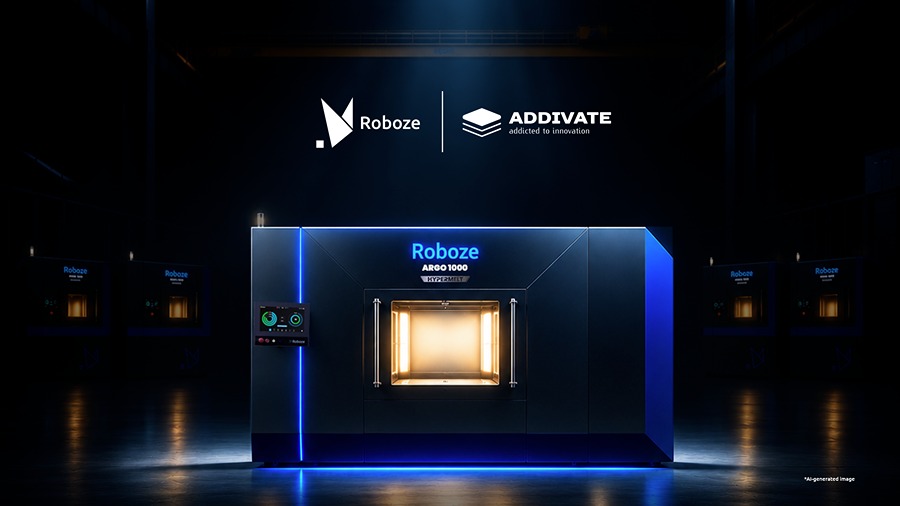
BARI, Italy, Nov 12, 2026 – Addivate is expanding its additive manufacturing capacity with the acquisition of a ROBOZE ARGO 1000 HYPERMELT system, adding pellet extrusion for producing components from advanced polymers and composites. The investment follows full utilization of the company’s four ROBOZE ARGO 500 HYPERSPEED systems.
The new system will allow Addivate to produce larger components and high-precision parts using its existing equipment. The company serves the motorsport, aerospace and manufacturing industries. The ARGO 500 HYPERSPEED systems support production of end-use parts, while the ARGO 1000 HYPERMELT will accommodate larger components through pellet extrusion.
According to ROBOZE, its equipment provides the process control and repeatability needed to maintain stable production conditions and consistent component quality as manufacturing volumes increase.
“At Addivate, our goal is to transform additive manufacturing into a true production technology, reaching full capacity with our four ARGO 500 HYPERSPEED systems confirmed both the growing demand from our customers and the reliability of this manufacturing model. Adding ARGO 1000 HYPERMELT is the natural next step for us, allowing us to further expand our capacity, address larger applications and continue scaling our production capabilities.” said Enrico Solinas, CEO and co-founder of Addivate.
“Addivate’s growth is a strong example of what happens when additive manufacturing becomes real production infrastructure rather than simply a prototyping tool. After bringing four ARGO 500 HYPERSPEED systems to full utilization, they are now expanding with ARGO 1000 HYPERMELT. This is exactly the type of scalable manufacturing model we want to enable: increasing capacity as demand grows while using the right technology for each production requirement.” said Alessio Lorusso, founder & CEO of ROBOZE.
Source: Roboze
About Roboze
ROBOZE is an Italian industrial 3D printing company focused on high-precision additive manufacturing using super polymers and composite materials. Established in 2014, the company develops 3D printers designed for high-temperature and high-strength applications, including models such as the ARGO 500 HYPERSPEED and ARGO 1000 HYPERMELT. Roboze serves industries like aerospace, defense, energy, mobility, and motorsports. In addition to hardware, it offers manufacturing services through its Roboze 3D Parts network, allowing companies to produce components as needed and manage digital inventories. The company operates from its headquarters in Bari, Italy, with a key presence in Houston, TX. Its focus is on providing additive manufacturing solutions that support the shift toward flexible, localized, and sustainable production processes across industries.
About Addivate
Addivate is an Italian additive manufacturing company founded in 2024 and headquartered in Padua, Italy. The company produces industrial components and prototypes using 3D printing technologies and high-performance polymers. It uses Roboze equipment to manufacture parts from materials including PEEK, PEKK, ULTEM and carbon fiber-reinforced polymers. Addivate also provides engineering support, product redesign, machining and surface finishing services. The company serves manufacturers in the aerospace, aviation, motorsport, oil and gas, and medical sectors. Applications include cooling ducts, fluid management components, aerodynamic parts, brackets and other industrial components. Its services cover prototype development, small-batch production and manufacturing of finished functional parts. Addivate works with customers to modify designs and develop components for specific industrial requirements.
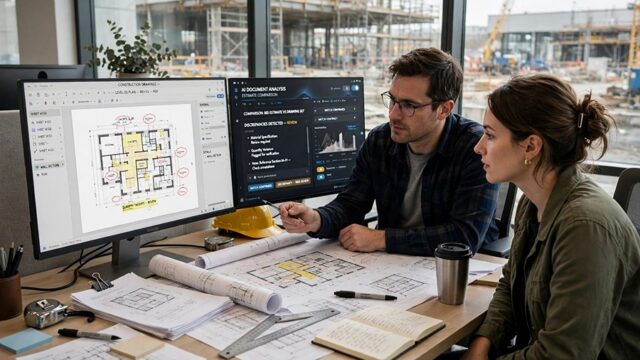
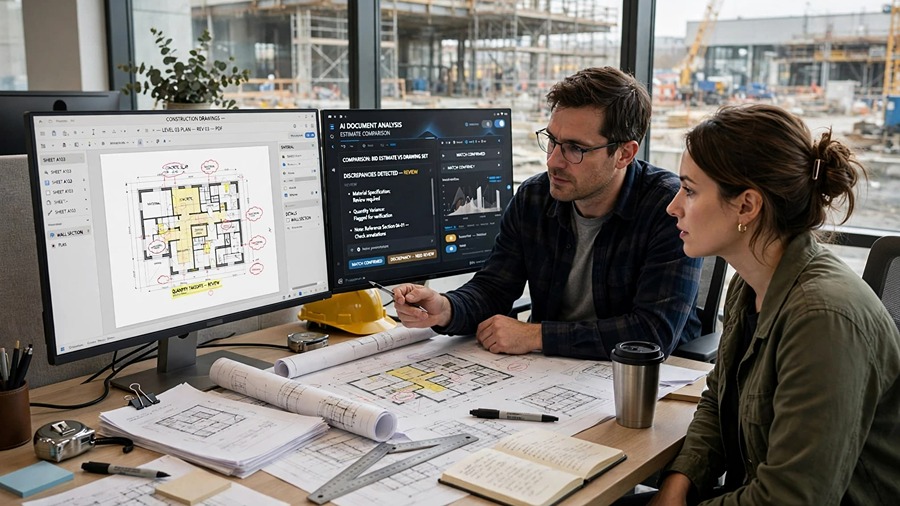
PASADENA, CA, Nov 12, 2026 – Bluebeam has reported how two construction companies, Towne Millwork and E.M. Duggan, are using AI features in Bluebeam Revu to improve estimating and preconstruction workflows. Available through the Bluebeam Max subscription, the AI tools support project document reviews, revisions and estimating tasks.
Bluebeam’s industry research found that only 28% of architecture, engineering and construction (AEC) firms have moved AI into production, despite reporting business benefits. The company also reported that 93% of firms prioritize digital expertise, although many remain in the AI pilot phase.
“Contractors don’t need entirely new processes to realize value from AI,” said Usman Shuja, CEO of Bluebeam & executive board member, Nemetschek Group. “The most successful applications of AI enhance the workflows teams already trust. By embedding AI directly into the trusted tools teams rely on every day, we’re empowering contractors to pair their uniquely deep, hands-on knowledge with the digital fluency critical to the future of the industry. This approach amplifies AEC professionals’ expertise, making institutional knowledge instantly accessible, cutting down on document complexity and helping teams build a smarter future from the ground up.”
Towne Millwork Uses AI for Estimating Revisions
Towne Millwork, an architectural millwork company, uses Bluebeam Max to manage revisions during estimating. Changes to materials and finishes often require estimators to update markups and quantity takeoffs. The tools have helped Towne Millwork simplify these revisions, improve consistency and reduce the time required to locate and validate project information.
“When the beta ended, we really missed the “Convert To” function, so as soon as we could, I insisted my team upgrade our Bluebeam subscription to Max,” said Doug McLean, senior estimator at Towne Millwork. “Estimating architectural millwork involves endless revisions that can easily derail a schedule. When other estimators ask me whether it’s worth it, I tell them Bluebeam Max pays for itself every day.”
E.M. Duggan Expands AI Use in Preconstruction
E.M. Duggan has integrated Bluebeam Max into its estimating and preconstruction operations. Because the company already used Bluebeam, it introduced the AI features within its existing workflows.
Estimators use the AI assistant to check baseline estimates, identify potential errors and reduce manual counting and double-checking. The company has also expanded use among project managers and estimators to support project planning and make project expertise accessible across teams.
“Everybody in this industry already uses Bluebeam. What’s different with Max is that it gives us an AI assistant directly in the estimating workflow instead of requiring a separate tool or additional workflow,” said Jeff Elwell, CTO of E.M. Duggan. “Our estimators use it to check their baseline numbers and catch things that used to slip through the cracks. It cuts out a lot of manual counting and double-checking, and we’re getting to a solid estimate we can trust a lot faster.”
Source: Bluebeam
About Bluebeam
Founded in 2002 and headquartered in Pasadena, CA, Bluebeam develops software for digital collaboration, markup, and document management in the AEC industries. Its tools enable users to create, edit, and measure PDFs; manage RFIs and submittals; and streamline design reviews, takeoffs, and project handovers. Bluebeam’s cloud and mobile platforms connect teams in the office and in the field, improving efficiency and accuracy across projects. The company serves general contractors, subcontractors, architects, engineers, and public infrastructure agencies. Acquired by the Nemetschek Group in 2014, Bluebeam has continued to expand its role as a digital collaboration leader in construction technology.
About Towne Millwork
Towne Millwork Ltd. is a Canadian architectural woodwork manufacturer founded in 1987 by Greg Hesketh. Headquartered in British Columbia, the company serves construction projects across North America. It manufactures custom millwork, wall panels, wood doors, cabinets, countertops and interior fixtures. Its products also include acoustic ceilings, raised access flooring and custom metal components. Towne Millwork serves commercial offices, hotels, hospitals, schools, retail facilities and residential developments. It also supplies architectural woodwork for sports venues, museums, casinos and public buildings. Its services include design assistance, estimating, technical drawings, 3D modeling, project management and installation. The company uses computer numerical control equipment to manufacture and finish wood components. It works with contractors, architects, and developers in Canada and the United States. Towne Millwork reports approximately 200 employees and operates more than 200,000 square feet of manufacturing space.
About E.M. Duggan
E.M. Duggan Inc. is a U.S. mechanical and electrical contractor founded in 1891. Headquartered in Canton, MA, the company operates primarily across New England. It designs, installs and maintains heating, ventilation, air conditioning, plumbing, electrical and fire protection systems. Its services include construction planning, estimating, engineering coordination, prefabrication, installation and maintenance. E.M. Duggan serves commercial, industrial, institutional and residential construction projects. Its customers include general contractors, property developers, building owners and facility managers. The company works on hospitals, schools, offices, hotels and residential buildings. It manufactures prefabricated piping, ductwork and fire protection assemblies. Its Boston division handles renovations, building upgrades and smaller construction projects. The company also provides emergency repairs, inspections and maintenance for building systems. E.M. Duggan reports more than 500 employees.