Hedra Launches Model Factory for Custom AI

Image: Hedra
Image: Hedra

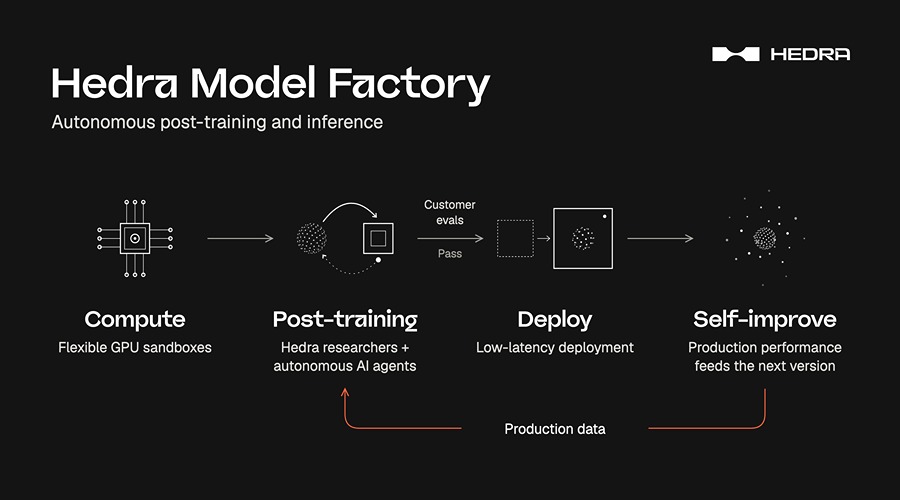
SAN FRANCISCO, CA, Nov 12, 2026 – Hedra has launched Hedra Model Factory, a platform for post-training, deploying and improving AI models using customer data. The platform combines GPU computing, reinforcement learning, low-latency deployment and continuous evaluation for applications in robotics, manufacturing, biology and defense.

Hedra researchers work alongside AI agents to develop and refine models using multimodal data, including video, sensor information and simulation. The platform also provides computing resources for reinforcement learning environments that require GPU acceleration.

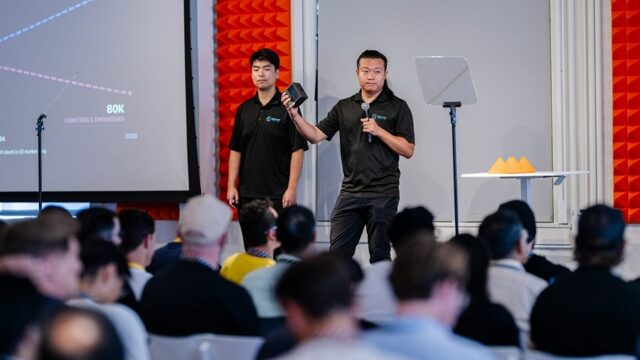
Hedra Founder Michael Lingelbach (Image: Hedra)

“Recursive self-improvement is already changing how frontier models get built,” said Michael Lingelbach, founder and CEO of Hedra. “The next step is the real world, where the data is video, sensors and simulation. Hedra Model Factory gives robotics, manufacturing, biology and defense teams the infrastructure to post-train, deploy and keep improving their own models.”

Computing, Training and Deployment

Hedra Model Factory combines four functions covering model development and operation:

  • GPU computing: Flexible GPU sandboxes provide computing capacity through Hedra’s inference engine. Customers can scale training workloads without long-term GPU commitments.
  • Post-training: Customers supply simulation engines and data, while Hedra researchers help develop learning environments and training datasets. Vision-language models can caption and score data or provide feedback during online learning. Hedra researchers also help establish data collection, evaluation and training-to-deployment workflows.
  • Deployment: Models run on low-latency computing infrastructure, either on premises or at Hedra’s partner data center. The platform supports distilling world action models to run faster without losing physical coherence. It also supports fitting vision-language-action models and running existing models on Hedra’s inference engine.
  • Model improvement: After deployment, Hedra researchers analyze production performance and retrain models. Updated versions are released only after passing the customer’s evaluations.

Research and Performance Results

Hedra noted results from three model development areas: video generation, image editing and robotic control.

Image: Hedra

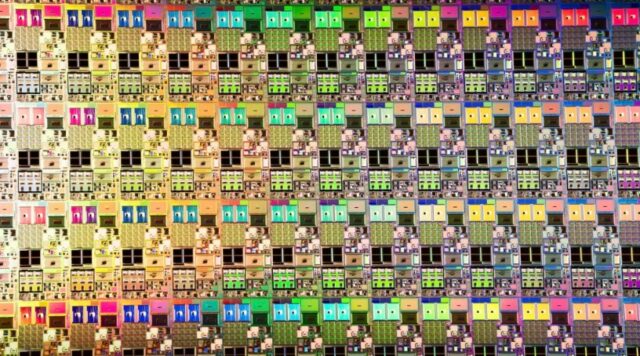
Video generation: Hedra retrained its H3 model to improve physical consistency. The retrained model scored 34.9 on Google DeepMind‘s Physics-IQ benchmark, compared with 30.3 for H3 Max, while maintaining comparable visual quality. An autonomously distilled version rendered a five-second video clip in less than three seconds using AMD MI355X GPUs.

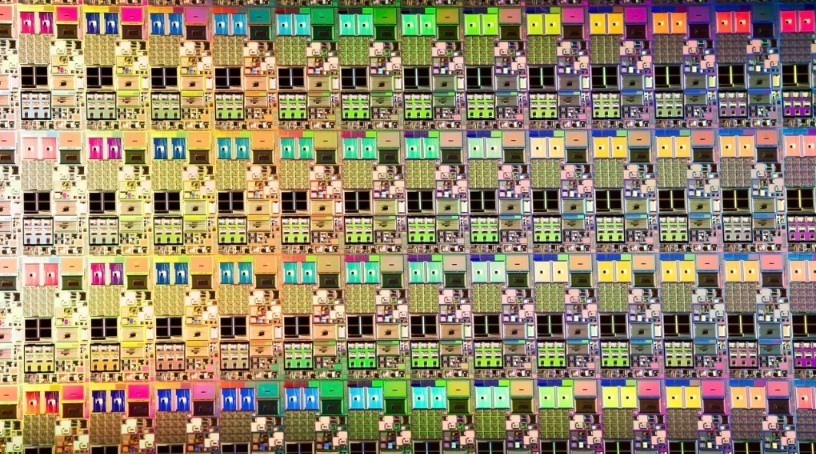
Image editing: Hedra used model distillation and inference optimization to reduce processing time for Krea 3 image edits at 2K resolution from approximately 22 seconds to 3.6 seconds. The original baseline used a bfloat16 (bf16) model with 30 sampling steps, while the optimized version used a distilled model with 14 steps. Krea 3 runs on MI355X GPUs through Hedra.
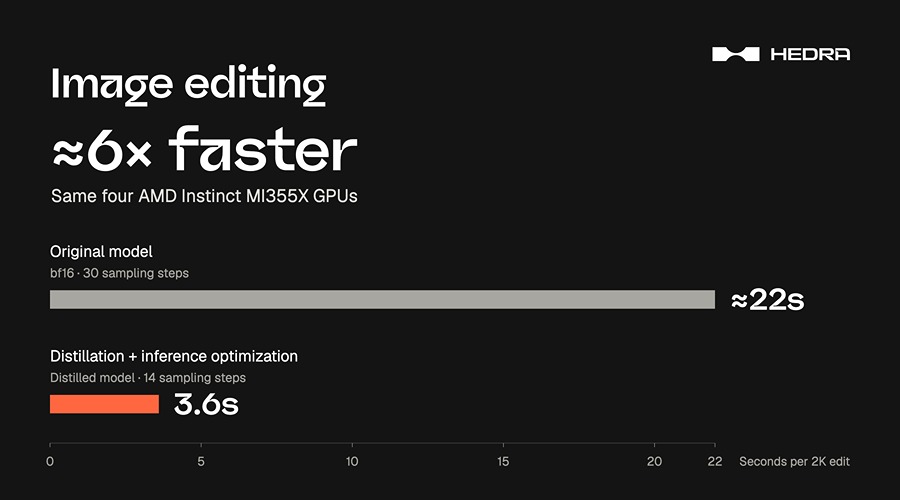
Image: Hedra

Robotic control: In a simulation study, Hedra fitted a robot running a trained control policy with a new gripper. By matching the new gripper’s reach and grasp point in the wrist camera view, Hedra reported restoring task success from nearly zero to almost 100% without retraining the model.

Hedra founder and CEO Michael Lingelbach previously worked on reinforcement learning for visual and physical systems at Stanford and NVIDIA. The company’s research team includes personnel from Stanford, Berkeley and the University of Illinois Urbana-Champaign (UIUC), with experience at NVIDIA, Meta Superintelligence Labs, Fireworks AI and Salesforce. The research team has published work on generative video and embodied AI at NeurIPS, CVPR and ICLR.

Source: Hedra

About Hedra

Hedra is a U.S. artificial intelligence company founded in 2023 and headquartered in San Francisco, CA. The company develops AI software for generating videos, images and audio. Its Hedra Play platform allows users to create digital content using AI models. Hedra serves content creators, software developers, marketing teams and businesses in advertising, education and digital media. Its services include AI model development, computing infrastructure and tools for producing digital content. The company also develops software for processing and operating visual AI models. Hedra maintains offices in San Francisco and New York City. It reports more than 20 million users and 125,000 businesses using its services.
New 3D Reconstruction Methods Improve Robot Mapping and Navigation

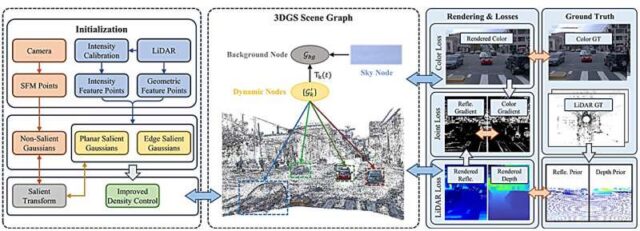
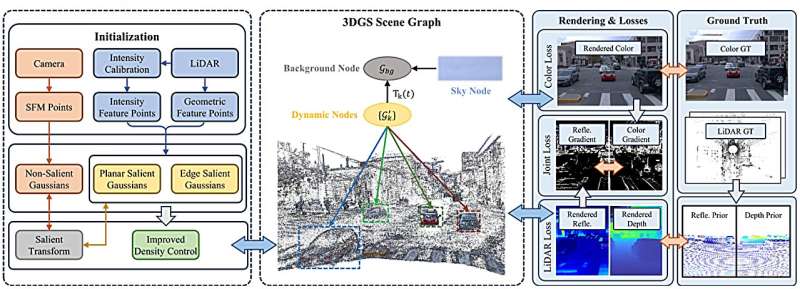
LiDAR-Reflectance-Guided Salient Gaussian Splatting (LR-SGS) Architecture (source: Jiang Chunmao).


Researchers at the Chinese Academy of Sciences have developed two methods that improve 3D scene reconstruction and robot navigation. The technologies address challenges in autonomous systems, including changing lighting conditions, complex environments, and inaccurate positioning, tells Tech Xplore.

Led by Professor Zhu Hui at the Hefei Institutes of Physical Science, the research introduces LiDAR-Reflectance-Guided Salient Gaussian Splatting (LR-SGS) and Structure-Enhanced Multi-Meta Gaussian Distribution-Guided Visual SLAM (MMD-SLAM), two approaches designed to help robots create more accurate digital representations of their surroundings.

LR-SGS combines LiDAR measurements with camera images to reconstruct detailed 3D driving environments. By incorporating LiDAR intensity information, the method captures environmental details under varying lighting conditions, including nighttime scenarios. It also identifies important structural features while eliminating redundant information, improving reconstruction accuracy and computational efficiency.

Tests using datasets such as Waymo demonstrated improvements in reconstruction quality and training efficiency while maintaining compact 3D representations. These reconstructed environments are editable, allowing researchers to develop realistic virtual driving scenarios for autonomous vehicle simulation and testing.

The second method, MMD-SLAM, focuses on simultaneous localization and mapping. It uses geometric features, including points, lines, and planes, to improve robot positioning and environmental mapping.

By integrating these features, MMD-SLAM generates more consistent 3D point cloud maps and enhances localization accuracy, particularly in structured environments such as buildings. Experimental results demonstrated improved tracking and mapping performance without compromising real-time processing efficiency.

Both studies were accepted for presentation at the 2026 IEEE International Conference on Robotics and Automation. The LR-SGS research was also selected as a finalist for the Best Paper Award in robot perception, among more than 5,000 submissions.

Together, these developments could improve robotic perception, autonomous navigation, and simulation capabilities, supporting more reliable intelligent systems operating in complex real-world environments.

Huawei Unveils Architecture to Connect One Million AI Chips

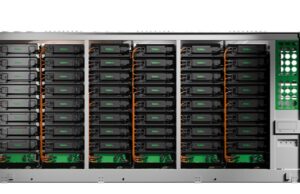
Atlas 960 SuperPoD (source: Getty Images/MirageC).


Huawei has introduced Peerium, a new computing architecture designed to make up to one million artificial intelligence (AI) chips operate as a single computer. Unveiled at Huawei CONNECT 2026 recently, the technology aims to overcome communication bottlenecks in large AI computing systems and support increasingly complex AI models, tells Live Science.

Traditional AI computing clusters distribute workloads across processors housed in separate servers. However, communication delays between these processors can limit performance as systems expand. Peerium addresses this challenge through three technologies: nested parallelism, unified memory addressing, and peer-to-peer interconnects.

Nested parallelism divides computational workloads into smaller tasks distributed across groups of processors. Unified memory addressing allows processors to access memory resources across multiple servers, while peer-to-peer interconnects enable direct communication between components. Together, these technologies are designed to improve resource utilization and processing efficiency.

Central to Peerium is Huawei’s proprietary UnifiedBus interconnect technology. According to Huawei, UnifiedBus delivers inter-rack communication bandwidth of up to 800 gigabytes per second, compared with the 200 gigabytes per second cited for configurations combining Nvidia’s NVLink and InfiniBand technologies.

Huawei claims that Peerium-powered systems could train AI models containing up to 40 trillion parameters, significantly exceeding the trillion-parameter scale associated with some existing AI hardware.

The company also announced the Atlas 950 SuperPoD, featuring more than 8,000 Ascend 950DT AI accelerators. Huawei expects to begin supplying these systems by early 2027. Meanwhile, a larger SuperCluster containing 256,000 computing cards is undergoing deployment and testing.

The architecture could reshape large-scale AI infrastructure by enabling more processors to collaborate efficiently. However, its million-chip capability remains an ambitious target rather than a demonstrated achievement. Successful deployment could strengthen Huawei’s position in AI computing while supporting increasingly demanding AI training and inference workloads.

Neuron Industries Raises $10M for AI-Based Industrial Controls

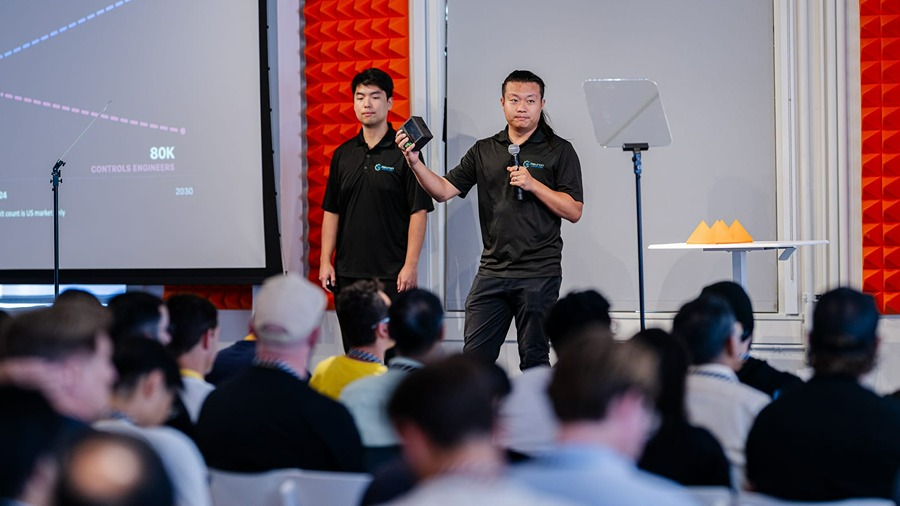
Neuron founders Dennis Ren and Kenneth Rhee present at Y Combinator Demo Day. (Image: Neuron Industries)

GARDENA, CA, Nov 10, 2026 – Neuron Industries has announced a $10 million seed round to develop and ship industrial control hardware and software that use AI to generate control code and test machine behavior before deployment. The funding follows the company’s public launch in Aug’2027. FCVC and Obvious Ventures co-led the round, with participation from Y Combinator, Thin Line Capital, Zee Prime Capital and Founder Factor.

Neuron is developing its Cortex AI Controller and Synapse development environment for engineers designing new machines, production lines and factories. The system allows users to describe machine behavior and build user interfaces in English language, generate readable control code and test machine operations in simulation before deployment.

“America’s next generation of factories won’t be running on the last generation’s programming tools,” said Dennis Ren, co-founder and CEO of Neuron Industries. “For too long, automation incumbents have left engineers to navigate vendor-specific programming tools, fragmented software, and steep learning curves. We’re rebuilding the controller and its software together around modern hardware and AI, so more engineers can program, test, and deploy the machines they’re building. Industrial automation is overdue for a fundamental rethink, and we’re delivering it.”

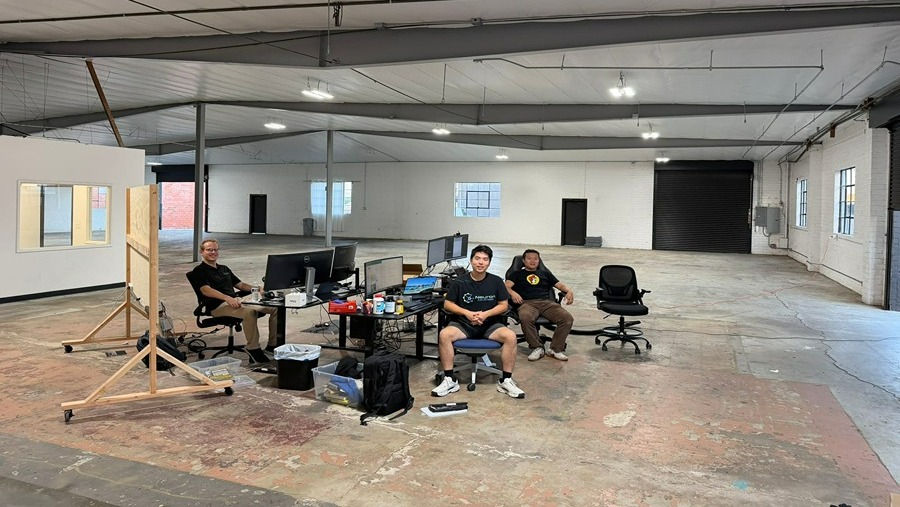
Neuron’s founding team at the new office in Gardena, California. (Image: Neuron Industries)

AI-Assisted Control Development

Neuron focuses on manufacturers establishing control systems during the initial design of machines and production facilities. Its development tools support programming, simulation and commissioning, addressing challenges associated with vendor-specific programming environments.

The company also cites workforce changes as a factor affecting industrial automation. The Manufacturing Institute estimates that U.S. manufacturers will need to replace 2.8 million retiring workers by 2033.

“Engineers need to understand and verify what their machines will do,” said Kenneth Rhee, co-founder and CTO of Neuron Industries. “With Neuron, they can inspect and modify the code AI generates, then test its behavior in simulation before deploying it to equipment. That lets teams move faster while keeping the irreplaceable engineering judgment at the center of the process.”

Industrial Machinery Applications

Neuron has applied its technology to an existing production line at CureWood Engineered Building Products. The company replaced a 1991 Siemens S5 controller on a finger-jointing line with 189 hardwired input and output points.

The project used Neuron’s AI-assisted process to convert existing programmable logic controller (PLC) programs into new control logic. According to Neuron, the work required approximately three hours of combined human and AI-agent engineering and eight hours of downtime.

Neuron reported completing the project nearly 10 times faster and at a fraction of the cost compared with system integrators using conventional technology. The company said the production line operated successfully on its first power-up.

Neuron also reports serving as the industrial automation system of record for more than a dozen manufacturing startups, including Rise Reforming, Radify Metals, Lazarus Energy and Nox Metals.

“We’re developing turbines to help meet growing demand for electricity, and every test helps us improve the design,” said Luke Malcolm, co-founder and CTO of Lazarus Energy. “Neuron helped us get our prototype ready for testing 10 times faster than other systems. Their tools let us make changes and solve problems faster, so we can put what we learn from one test straight into the next.”

Product Development and U.S. Manufacturing Plans

The seed funding will support the development and shipment of Neuron’s industrial control products, beginning with the Cortex AI Controller (AIC). The company plans to expand its product range with its own input/output (I/O) hardware and human-machine interface (HMI) displays.

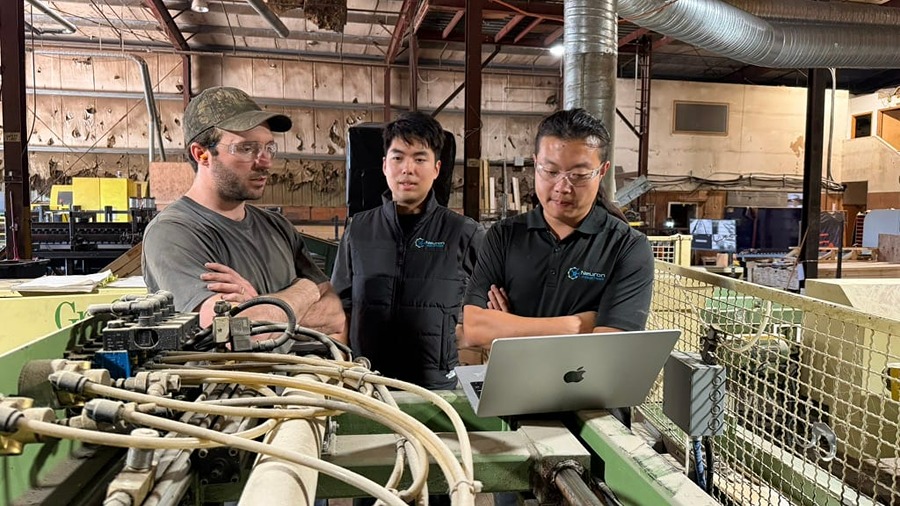
Dennis Ren and Kenneth Rhee with CureWood’s Ben McKinnon, performing checkouts after the installation. (Image: Neuron Industries)

“Reindustrialization will be measured by what new factories produce,” said Mo Islam, partner at Obvious Ventures. “We backed Neuron because we see industrial controls as a massive opportunity to shorten the path to and change the economics of bringing new manufacturing capacity online. I worked closely with the Neuron team during their tenure at Freeform, and am excited to partner with them again.”

Neuron plans to release Cortex in Q1, 2027 and add U.S. production capacity for the controller shortly afterward.

Source: Neuron Industries

About Neuron Industries

Neuron Industries is an industrial automation company founded in May 2026 by Dennis Ren and Kenneth Rhee and headquartered in El Segundo, CA. The company develops industrial control hardware and software, including Cortex Mini and Cortex controllers. Both use Synapse, a software platform for programming, simulation, testing and equipment monitoring. Synapse uses AI to generate Python control programs from written instructions. The controllers support industrial communication protocols, including EtherCAT and Modbus TCP. Neuron serves manufacturers, machine builders, automation engineers and system integrators. Its products support machine retrofits, robotic systems and industrial equipment control. The engineering team includes former employees of Apple, Tesla, Rivian, Amazon, Blue Origin, General Atomics and Freeform, along with a controls researcher from UCSD.

ESTUN Robotics, RoboDK Partner on Robot Simulation

Image: RoboDK
Image: RoboDK

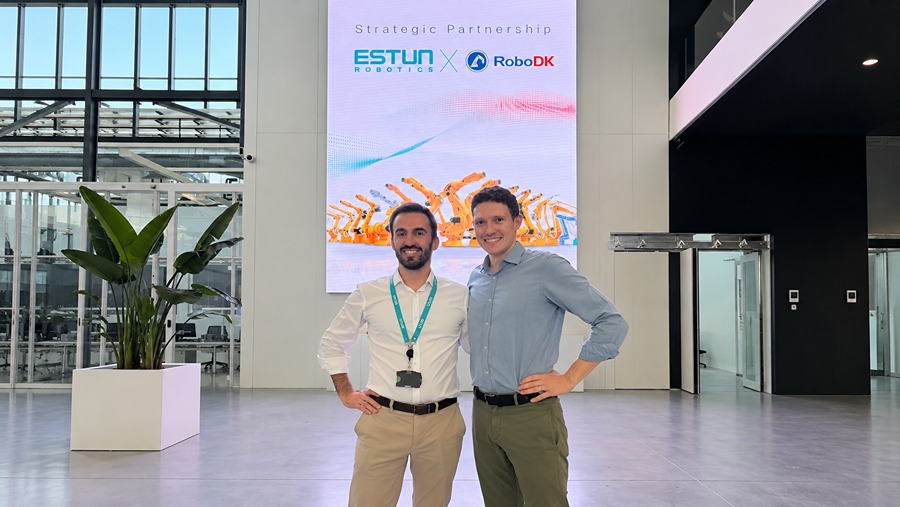
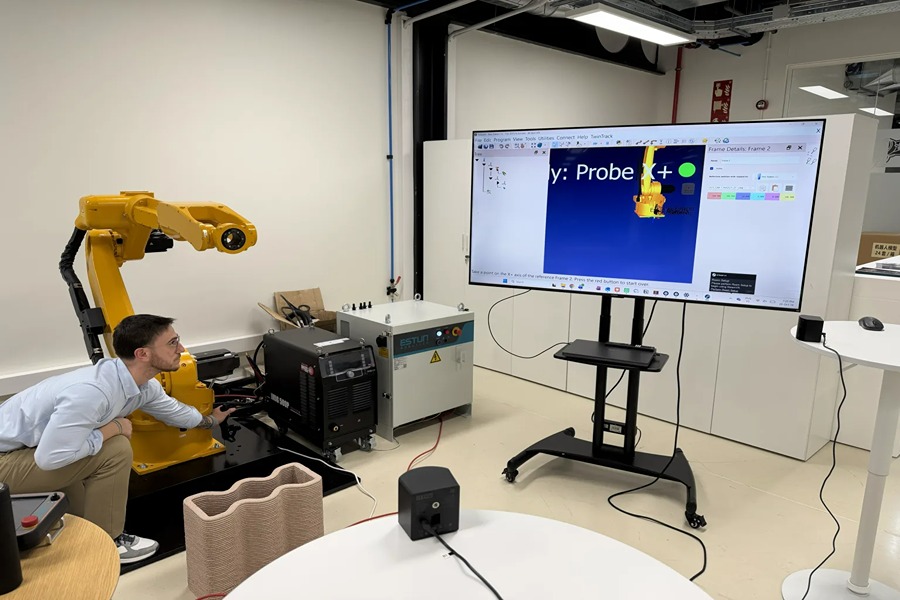
BARCELONA, Spain, Nov 10, 2026 – ESTUN Robotics and RoboDK have signed a partnership agreement to support simulation and offline programming of ESTUN industrial robots through the RoboDK platform. The integration, developed and tested over several months, allows engineers and system integrators to validate robotic applications and generate programs for ESTUN controllers before commissioning.

ESTUN’s applications and support engineers worked with RoboDK technical team to develop, test and refine the integration. RoboDK’s simulation environment integrates with other software tools, while its customizable post-processors allow users to adapt robot program generation to specific applications.

Image: RoboDK

Integration and Programming Capabilities

The integration allows users to simulate ESTUN robot operations and prepare controller-specific programs, reducing commissioning time.

Ignacio Moreno, sales director for Iberia at ESTUN Robotics, explains: “From the very beginning, I was clear that RoboDK should be our reference platform for complete robotic simulations. Its ease of use, the vast possibilities for integration with other software tools and, above all, the freedom its open post-processors give each integrator to adapt the solution to their needs are very compelling arguments.”

“But what has truly made the difference is the people: young professionals with extraordinary technical knowledge who are always willing to roll up their sleeves to make projects succeed. That attitude was decisive in taking the step and formalizing this collaboration.”

Albert Nubiola, CEO and founder of RoboDK, commented: “Partnering with ESTUN, China’s largest industrial robot manufacturer, is a great opportunity to bring advanced simulation and programming tools to an ever-growing number of industrial users.”

“ESTUN robots are fully integrated into our RoboDK platform, ready for simulation and offline programming right from the start. Integrators and customers will be able to validate their applications, generate programs directly for ESTUN controllers and reduce commissioning times.”

“ESTUN’s local technical support team has been key to making this integration work reliably, and we are convinced that this combination has great growth potential.”

European Operations and Technical Support

ESTUN is strengthening its engineering, applications and technical support teams in Europe to assist customers and system integrators with feasibility testing, commissioning and after-sales service.

Marc Pujolar, applications engineer at ESTUN Robotics, notes: “Seeing an entire technical team fully committed to finding the best solution, caring for and polishing every last detail of the integration with our robots, is truly inspiring. After these months working together, we are not only very satisfied with the solution’s performance, but also with the dedication and technical expertise behind it. That gives us great confidence to take on new challenges and projects together with the RoboDK team.”

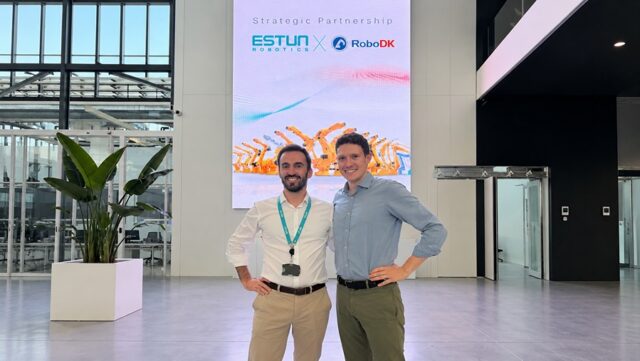
The agreement was formalized at ESTUN Robotics Iberia’s headquarters in DFactory Barcelona, an industrial technology center promoted by the Consorci de la Zona Franca de Barcelona (CZFB).

Both companies plan to extend the collaboration to other ESTUN operations in Europe, including its Polish manufacturing facility, to explore additional technology integration opportunities.

Source: ESTUN Robotics

About ESTUN Robotics

ESTUN Robotics is a Chinese industrial robotics and automation company headquartered in Nanjing, China. Founded in 1993, the company manufactures industrial robots, collaborative robots, servo motors, drives, controllers and automation software. Its products support welding, material handling, palletizing, assembly, bending and other manufacturing operations. ESTUN also develops automation systems that integrate robots with production machinery and control equipment. The company serves manufacturers in the automotive, electronics, packaging, solar energy, construction materials and industrial equipment sectors. Its customers include manufacturers, machinery producers and industrial automation system integrators. ESTUN operates manufacturing and engineering facilities in China and Europe. Its European operations provide equipment distribution, technical support, maintenance and training. The company reported about 3000 employees worldwide.

About RoboDK

RoboDK is a robotics software company founded in 2015 and headquartered in Montreal, Canada. The company develops software for programming, simulating and calibrating industrial robots. Its platform allows engineers to simulate robot movements, detect collisions and develop programs before deploying equipment. RoboDK supports robotic welding, machining, drilling, painting, cutting, polishing, palletizing and material handling. The software integrates with CAD and manufacturing systems and supports more than 1,400 robot models from over 80 manufacturers. RoboDK also provides calibration tools, programming extensions, training resources and browser-based simulation software. Its customers include manufacturers, engineering firms, research institutions, universities and automation system integrators. The company serves the aerospace, automotive, electronics and industrial manufacturing sectors. RoboDK has more than 5,000 customers worldwide and over 90 international distributors.

About DFactory Barcelona

DFactory Barcelona is an industrial technology center established in 2021 in Barcelona, Spain. Managed by the Consorci de la Zona Franca de Barcelona, the facility provides offices, laboratories, manufacturing spaces and meeting facilities. Its activities cover robotics, 3D printing, artificial intelligence, sensors, cybersecurity and industrial automation. The center houses manufacturers, engineering firms, technology developers, research organizations and industrial equipment suppliers. Resident companies develop products, test technologies and collaborate on manufacturing and automation projects. The four-story facility occupies approximately 17,000 square meters in Barcelona’s Zona Franca industrial district. In 2025, DFactory Barcelona reported 44 resident companies, supporting approximately 700 direct and 1,200 indirect jobs.

Looq AI Expands West Coast Distribution With Reseller Agreements

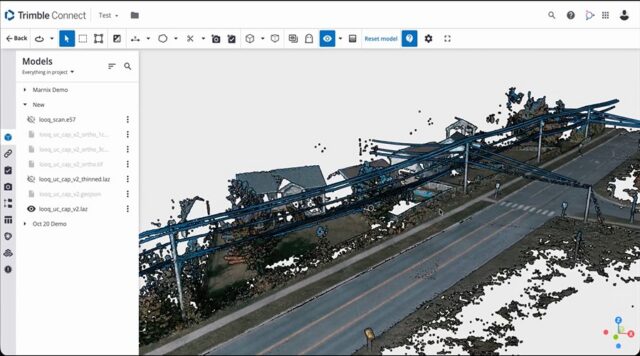
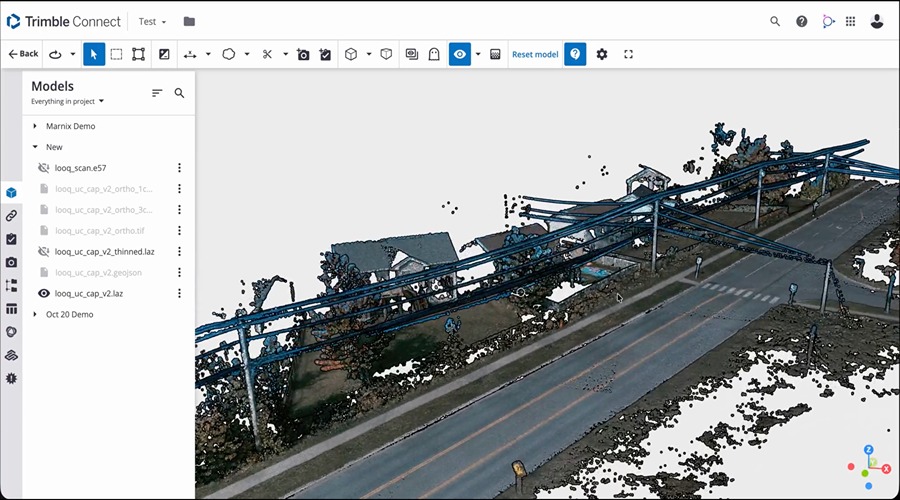
Looq AI demonstrates direct file transfers from the Looq Platform to Trimble Connect, bringing survey-grade 3D point cloud data into connected workflows for surveying, engineering, and construction teams.

LAS VEGAS, CA, Nov 10, 2026 – Looq AI has announced reseller partnerships with BuildingPoint Pacific and SITECH NorCal to expand distribution of its 3D reality capture platform across the U.S. West Coast. Announced at Trimble Dimensions 2026, the agreements extend access to the Looq Platform for surveying, engineering, construction and infrastructure teams.

The Looq Platform is compatible with Trimble Business Center (TBC), allowing users to incorporate captured data into existing workflows. Looq AI has also demonstrated direct file transfers to Trimble Connect as part of its interoperability development.

“The future of reality capture is not simply about collecting more data. It is about using AI to transform the physical world into accurate, structured information that can move directly into the systems where decisions are made,” said Dominique Meyer, CEO of Looq AI. “By connecting intelligent 3D capture with existing workflows, teams can reduce friction between fieldwork and decision-making and extract more value from every capture. Our partnerships with BuildingPoint Pacific and SITECH NorCal give us strong regional partners to bring these capabilities to more customers across the West Coast.”

BuildingPoint Pacific, a Trimble distribution partner serving California, Oregon and Washington, is adding Looq to its Design-Build-Operate portfolio of hardware, software and field technologies. The platform provides another method for documenting existing site conditions and incorporating survey-grade information into subsequent project workflows.

SITECH NorCal, a Trimble dealer serving Northern California, Oregon and Southern Washington, is expanding its reality capture offerings with the Looq Platform. The company provides construction technology, site positioning and machine control solutions.

“Looq gives our customers a fast, efficient, and flexible way to capture existing conditions without disrupting the workflows they already use,” said David F. Larsson, vice president, Peterson Technology Group (SITECH NorCal & BuildingPoint Pacific). “With direct compatibility with TBC, teams can move from field capture to usable project information faster.”

Source: Looq AI

About Looq AI

Looq AI, founded in 2021 and headquartered in San Diego, is a technology company focused on advancing infrastructure digitization through hardware-enabled software. The company develops a handheld, ground-based capture system that uses its proprietary camera technology to make survey-grade 3D capture cost-effective at scale. Its platform enables users to create, visualize, analyze, collaborate, and integrate spatial data, producing 3D models, digital twins, and insights for topographic mapping and transmission and distribution asset management. Looq AI serves industries including civil engineering, surveying, utilities, and the built environment. By combining data capture with advanced analysis, the company helps engineering and infrastructure teams improve accuracy and productivity.


Trimble Brings Agentic AI to Design, Construction, and Project Management

Source: AEC Magazine.


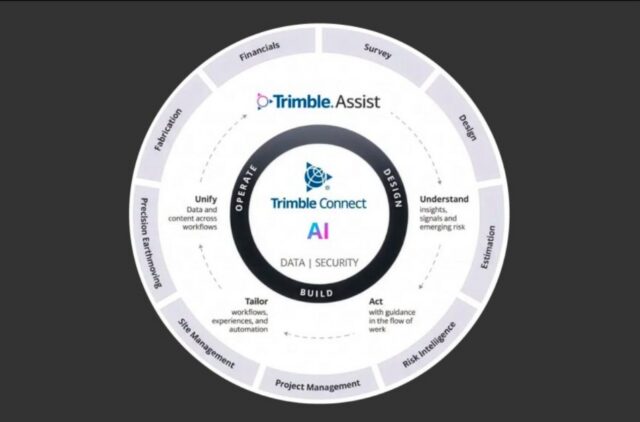
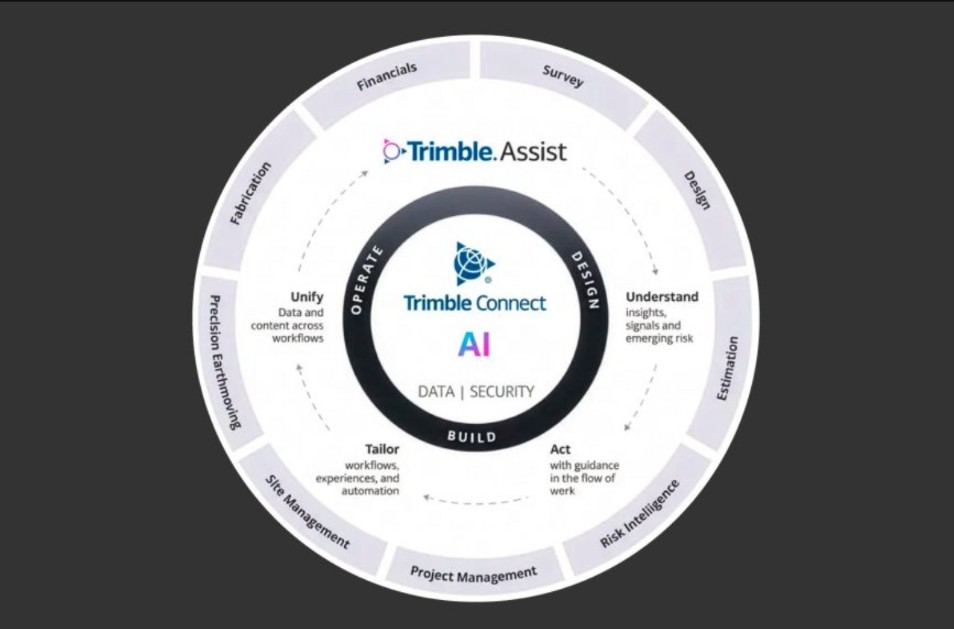
Trimble is expanding artificial intelligence across architecture, engineering, construction, and operations (AECO), introducing AI agents and automation capabilities designed to improve project coordination, reduce risks, and streamline workflows, tells AEC Magazine.

Announced at the Trimble Dimensions User Conference, the new capabilities extend Trimble Connect beyond its traditional role as a common data environment (CDE). The platform now connects design information, construction activities, financial processes, and operational data through an integrated AI layer.

For architects and engineers, AI can generate architectural design options using live as-built point-cloud data. Natural-language prompts can produce constructible structural models, while automated point-cloud classification identifies structural elements from scanned environments.

Construction teams gain AI-powered diagnostics for machine-control systems and tools that convert 360-degree site videos into 3D point clouds. Voice-enabled inspections can transcribe observations and associate them with relevant project drawings, reducing manual documentation.

In project management, AI supports procurement and invoice matching, contract risk assessment, and change-order automation. Intelligent scheduling connects project timelines with live site information to identify potential delays, recommend corrective actions, and update schedules.

Two technologies underpin these capabilities: Trimble Assist and Trimble Agent Studio.

Trimble Assist provides a conversational interface for interacting with AI agents and retrieving insights across Trimble applications. Trimble Agent Studio enables organizations to develop customized agents using established operating procedures and experienced employees’ knowledge. These agents can automate specialized tasks while preserving institutional expertise.

Unlike general-purpose AI assistants, Trimble’s approach combines generative AI models with project-specific information, machine telemetry, and construction industry knowledge. The platform also allows users and developers to configure, coordinate, and govern agents across workflows.

Trimble identifies five major sources of construction risk: physical, informational, contractual, commercial, and knowledge-related.

By connecting these areas through AI, the company aims to improve project predictability, minimize costly disruptions, and support faster decisions. Human judgment remains central, with AI assisting rather than replacing engineering and construction professionals.

Protolabs Expands HP Jet Fusion 5600 Capacity

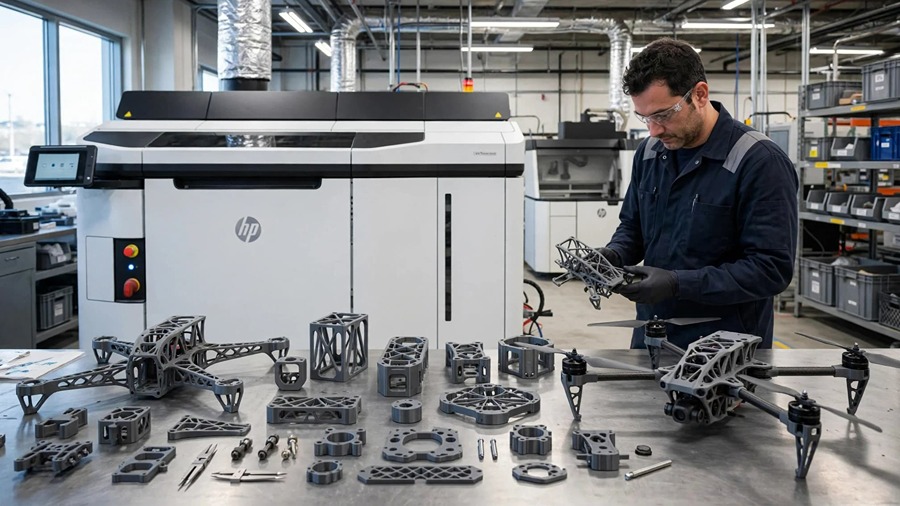
MINNEAPOLIS, MN, Nov 10, 2026 – Protolabs has increased its HP Jet Fusion 5600 series 3D printing capacity by 50% to meet growing demand for lightweight parts from aerospace, defense and drone companies. The expansion supports prototyping and production using Multi Jet Fusion (MJF) technology.

Protolabs currently serves more than 100 drone manufacturers. Revenue from this segment has increased more than 90% since 2023, representing a compound annual growth rate (CAGR) of nearly 40%.

“As drone and aerospace customers scale production, we’re expanding Multi Jet Fusion capacity to deliver the lightweight, production-ready parts they need,” said Suresh Krishna, president and CEO at Protolabs. “Our commitment to continuous improvement keeps us at the forefront of innovation for industries moving at the speed of software.”

Protolabs uses Nylon PA-12, an impact-resistant material, to produce lightweight components through MJF technology for drone applications. The company manufactures these parts at its North Carolina-based 3D printing facility, which holds U.S. International Traffic in Arms Regulations (ITAR) registration and AS9100D and ISO 9001:2015 certifications.

Source: Protolabs

About Protolabs

Protolabs is a digital manufacturing company founded in 1999 and headquartered in Maple Plain, MN. The company provides prototyping and production services through 3D printing, CNC machining, injection molding and sheet metal fabrication. It serves the aerospace, automotive, medical, consumer products and industrial equipment sectors. Protolabs uses automated quoting and manufacturing systems to process orders for custom parts, from prototypes to low-volume production. Some parts can be delivered in as little as one day, depending on project requirements. The company serves about 51,000 customer contacts across more than 160 countries. Protolabs employed 2,300 people worldwide. The company operates manufacturing facilities and offices in North America, Europe and Japan.

Engineering-Specific AI Could Transform Mechanical Design Workflows

Source: Leo AI.
Source: Leo AI.


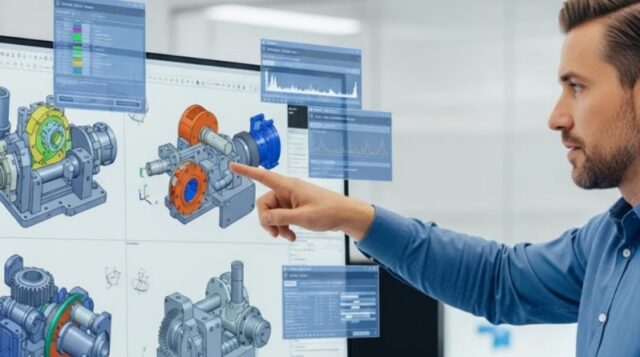
Mechanical engineers increasingly rely on artificial intelligence to improve productivity, but general-purpose AI assistants often lack the technical understanding required for complex engineering tasks. In this Leo AI article, cofounder and CEO Maor Farid explains why engineering-specific AI platforms could become essential to modern mechanical design workflows.

Traditional computer-aided design (CAD), product data management (PDM), and product lifecycle management (PLM) systems have transformed engineering. However, engineers still spend considerable time searching historical designs, preparing documentation, and managing repetitive tasks.

General-purpose AI tools can generate text and code but may struggle with mechanical assemblies, geometric constraints, tolerances, and engineering standards. Farid argues that specialized AI systems must understand these relationships while integrating with existing engineering software.

Leo AI addresses these requirements through its Large Mechanical Model (LMM), trained on mechanical components, assemblies, and engineering principles. The platform helps engineers retrieve existing designs, identify suitable components, generate documentation, and evaluate design alternatives.

Its capabilities extend to bill of materials preparation, material selection, supplier searches, and engineering calculations. The system can also identify relevant simulation parameters and constraints, supporting faster preparation for finite element analysis (FEA) and computational fluid dynamics (CFD).

One example involves mechanical engineer Ashraf Serour, who developed an ergonomic exercise attachment. Using Leo AI for concept development, calculations, and material selection, Serour completed the design and prototype in seven hours instead of approximately one week.

According to Leo AI, customer studies indicate savings of approximately five hours per engineer weekly and a 30% reduction in design and documentation errors. These figures are company-reported rather than independently verified.

The platform also emphasizes secure integration with existing engineering repositories, allowing teams to reuse historical knowledge without exposing proprietary information.

Although Leo AI does not replace CAD modeling engines or engineering verification, it demonstrates the potential of specialized AI to reduce administrative work, accelerate design iterations, and improve engineering decisions.

AI-Powered Material Intelligence Could Solve BIM’s Missing Data Problem

Source: Acelab.
Source: Acelab.


Building information modeling (BIM) has transformed architectural design by connecting drawings, schedules, and three-dimensional models. However, material specifications often remain scattered across spreadsheets, PDFs, manufacturer catalogs, and project documents, creating inconsistencies and costly errors.

In an ArchDaily interview, Dave Lemont, former head of Revit Technology and current executive chairman of Acelab, explains why BIM has yet to achieve the same level of coordination for building materials as it has for geometry.

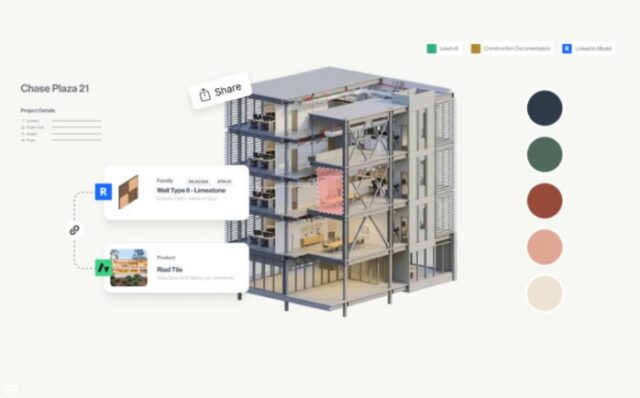
Lemont advocates a Material Information Model, a structured digital record connecting every material selection to its specifications, drawings, schedules, and related documents. Instead of manually updating multiple files, architects could maintain a single source of information throughout a project’s lifecycle.

Acelab’s Material Hub platform supports this approach by organizing product information into a standardized format. Architects can compare materials based on cost, availability, performance, certifications, building code requirements, and environmental impact. The platform also provides access to health product declarations (HPDs) and environmental product declarations (EPDs).

Artificial intelligence plays an important role through Ace, Acelab’s AI assistant. Ace analyzes product attributes, project requirements, and historical design information to identify inconsistencies, highlight trade-offs, and recommend suitable materials. However, final decisions remain with architects.

The company has also introduced initial integration between Material Hub and Autodesk Revit, enabling synchronization of keynotes and material tags. Future developments aim to connect material selections directly with model elements and assemblies.

Acelab is collaborating with the Innovation Design Consortium to develop an open data schema that would improve interoperability among manufacturers, consultants, and design teams.

For building owners, connected material information could improve cost visibility, compliance monitoring, maintenance, and future renovations. Architects could also reduce documentation errors and evaluate substitutions more effectively.

The broader objective is to extend BIM beyond geometric coordination, making material intelligence an integral part of architectural design and construction.

0FansLike
0FollowersFollow
0SubscribersSubscribe
Google search engine

Recent Articles

Trending Now